
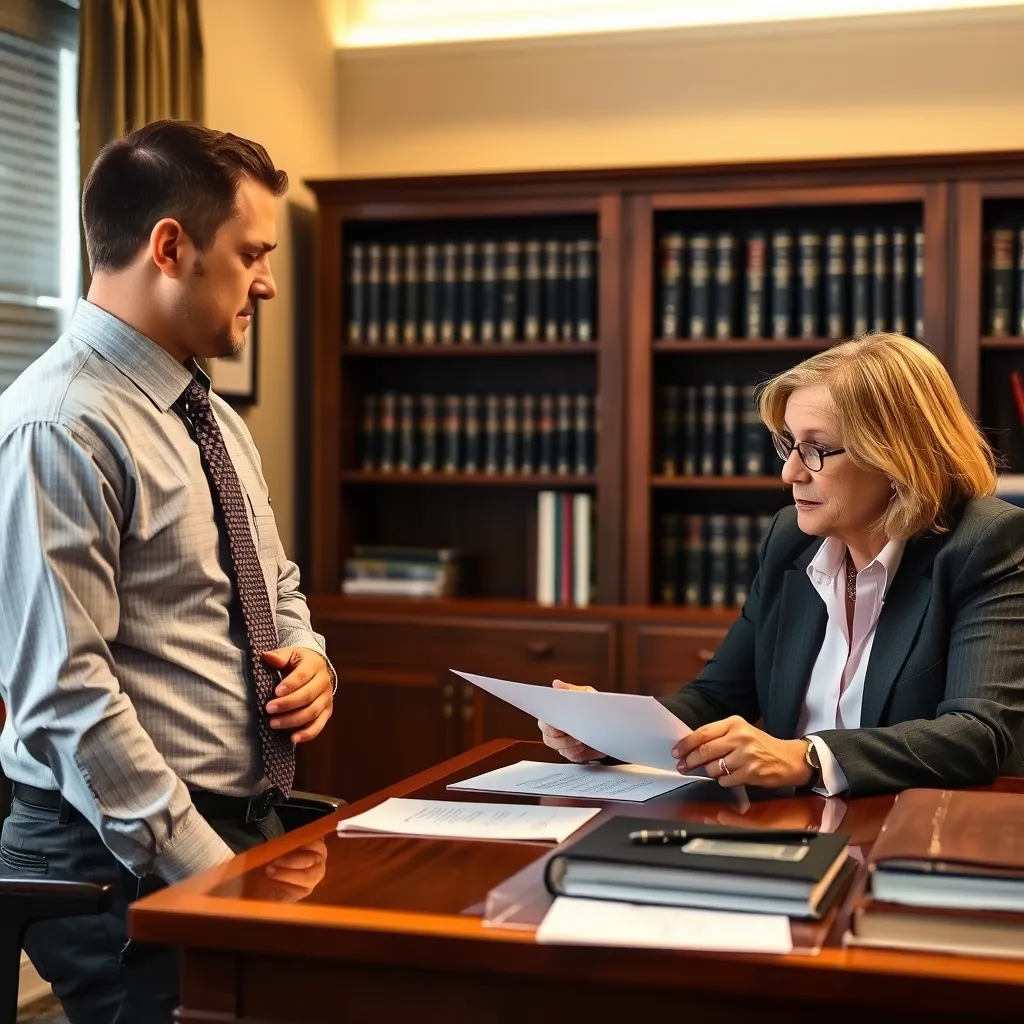
 Note: This article is confirmed by Law Offices Of SRIS, P.C.
WRITTEN BY: Mr. Sris
Since 1997, Mr. Sris has led the firm, focusing on the most challenging criminal and family law cases… His background in accounting and information management aids in financial and technology-related cases… Involved in significant legislative changes in Virginia.
Insight: My focus since founding the firm in 1997 has always been directed towards personally handling the most challenging and involved criminal and family law matters our clients face.
Insight: I find my background in accounting and information management provides a unique advantage when handling the intricate financial and technological aspects inherent in many modern legal cases.
Insight: As someone deeply involved in the community, I believe it’s important to not only practice law but also to actively participate in shaping it, which is why I dedicated effort towards amending Virginia Code § 20-107.3 and achieving state recognition for cultural milestones.
Pedestrian Accidents lawyer Arlington VA
What is a Pedestrian Accident Case
When a pedestrian is struck by a vehicle, the resulting legal matter involves determining responsibility and seeking appropriate compensation. These incidents typically occur in areas where vehicles and pedestrians share space, such as crosswalks, intersections, or parking lots. The severity of injuries can range from minor bruises to life-altering conditions requiring long-term medical care.
Establishing what happened requires gathering evidence from the scene. This includes police reports, witness statements, traffic camera footage, and physical evidence. Medical records document the extent of injuries and necessary treatments. Documentation of lost income and other financial impacts helps establish the full scope of damages.
Legal representation helps manage communications with insurance companies and other parties. Insurance adjusters often seek to minimize payouts, making professional guidance valuable. An attorney can evaluate settlement offers and advise on whether they adequately cover current and future needs. If negotiations don’t produce fair results, litigation may become necessary.
Professional insight into local laws and court procedures assists in developing effective legal arguments. Arlington has specific traffic regulations and pedestrian right-of-way rules that affect these cases. Understanding how local courts handle similar matters provides realistic expectations about possible outcomes.
How to Handle a Pedestrian Accident Claim
Immediate actions after a pedestrian accident significantly impact your legal position. First, ensure everyone receives necessary medical attention. Some injuries may not show symptoms immediately, making professional medical evaluation essential. Document the scene thoroughly with photographs showing vehicle positions, traffic signals, road conditions, and any visible injuries.
Exchange information with the driver, including insurance details and contact information. Obtain names and contact details from any witnesses. File a police report, as this official documentation becomes important evidence. Avoid making statements about fault or accepting blame at the scene.
Contact your insurance company to report the incident, but limit discussions about details until you’ve consulted legal counsel. Insurance adjusters may contact you quickly with settlement offers that don’t fully account for long-term needs. Having professional representation helps evaluate these offers properly.
Preserve all medical records, bills, and documentation of expenses related to the accident. Keep track of missed work days and any impact on your earning capacity. Maintain a journal documenting pain levels, treatment effects, and how injuries affect daily activities.
Legal professionals can help investigate the accident thoroughly. This may involve obtaining traffic camera footage, reviewing police reports, consulting accident reconstruction attorneys, and gathering additional evidence. They manage communications with all parties while you focus on recovery.
Can I Recover Compensation After a Crosswalk Accident
Financial recovery after a crosswalk accident involves several potential compensation sources. Medical expenses form a significant portion, including emergency care, hospital stays, surgeries, medications, rehabilitation, and future medical needs. Lost income compensation addresses wages missed during recovery and potential reduced earning capacity if injuries affect long-term work ability.
Pain and suffering damages acknowledge the physical discomfort and emotional distress resulting from injuries. These calculations consider injury severity, recovery duration, and impact on quality of life. Additional compensation may cover property damage, transportation costs for medical appointments, and home care assistance needs.
Virginia’s comparative negligence rule affects compensation if the pedestrian shares some responsibility. If a court finds the pedestrian partially at fault, compensation gets reduced proportionally. Complete bar to recovery only occurs if the pedestrian is found entirely responsible.
Insurance coverage typically serves as the primary compensation source. This includes the driver’s auto insurance and potentially the pedestrian’s own policies. When insurance limits prove insufficient, personal assets of the at-fault party may become relevant. Commercial vehicle accidents might involve additional insurance layers.
Legal professionals help identify all available compensation sources and build evidence supporting each damage category. They work with medical providers to document current and future needs, consult vocational attorneys regarding earning capacity impacts, and present comprehensive damage calculations.
Why Hire Legal Help for Pedestrian Injury Matters
Engaging professional legal assistance offers several benefits in pedestrian injury matters. Knowledge of Virginia’s specific traffic statutes and court procedures helps develop effective legal arguments. Attorneys understand how local courts interpret pedestrian right-of-way rules and negligence standards.
Evidence management represents a key advantage. Legal teams know what documentation strengthens claims, from medical records to accident reconstruction reports. They have resources to obtain traffic camera footage, witness statements, and attorney opinions that might be difficult for individuals to access independently.
Negotiation experience proves valuable when dealing with insurance companies. Attorneys understand settlement valuation methods and common insurance tactics. They can counter low initial offers with evidence-based arguments for higher compensation. This professional representation often leads to better outcomes than individuals achieve alone.
If settlement negotiations fail, litigation readiness becomes important. Attorneys prepare cases for potential court proceedings, meeting filing deadlines and procedural requirements. They present evidence effectively and argue legal points persuasively before judges or juries.
Time management represents another benefit. Legal professionals handle paperwork, communications, and administrative tasks, allowing injured individuals to focus on recovery. They manage deadlines and ensure all necessary actions occur within required timeframes.
Cost considerations often concern injury victims, but many attorneys work on contingency fees, meaning payment comes from recovered compensation rather than upfront costs. This arrangement makes legal representation accessible regardless of current financial situation.
FAQ:
What should I do immediately after a pedestrian accident?
Seek medical attention first, then document the scene with photos. Get witness information and file a police report. Avoid discussing fault until consulting legal counsel.
How long do I have to file a pedestrian accident claim in Virginia?
Virginia generally allows two years from the accident date to file personal injury lawsuits. Missing this deadline typically bars recovery, making prompt action important.
What if the driver who hit me doesn’t have insurance?
Your own insurance policy may include uninsured motorist coverage. Other potential sources include personal assets of the driver or claims against property owners if hazardous conditions contributed.
Can I still recover compensation if I was partly at fault?
Virginia’s comparative negligence rule allows recovery if you’re less than 100% at fault. Compensation reduces proportionally to your percentage of responsibility.
What damages can I claim after a pedestrian accident?
Compensation may cover medical bills, lost wages, pain, property damage, and future medical needs. Documentation of all expenses strengthens your claim.
How do attorneys charge for pedestrian accident cases?
Many work on contingency fees, receiving payment only if they recover compensation. Fees typically come as a percentage of the settlement or award amount.
What evidence is important for my case?
Police reports, medical records, witness statements, photos of the scene and injuries, traffic camera footage, and documentation of expenses all help establish your claim.
How long do pedestrian accident cases typically take?
Timelines vary based on injury severity, evidence challenge, and negotiation progress. Some settle in months while others requiring litigation may take years.
What if the accident happened in a crosswalk?
Crosswalk accidents often involve clearer right-of-way issues. Drivers typically bear greater responsibility when pedestrians use marked crosswalks properly, strengthening potential claims.
Can family members make claims if a pedestrian accident causes death?
Virginia law allows wrongful death claims by certain family members. These seek compensation for funeral costs, lost financial support, and emotional losses.
What if the accident involved a commercial vehicle?
Commercial vehicles often carry higher insurance limits and may involve employer liability. Additional regulations apply to commercial drivers and vehicle maintenance standards.
How do I choose the right attorney for my case?
Consider experience with pedestrian accidents, knowledge of Virginia laws, communication style, and fee structure. Initial consultations help evaluate fit for your specific situation.
Past results do not predict future outcomes
For the background behind an Arlington County claim, our page explains how Virginia handles pedestrian accident claims.