
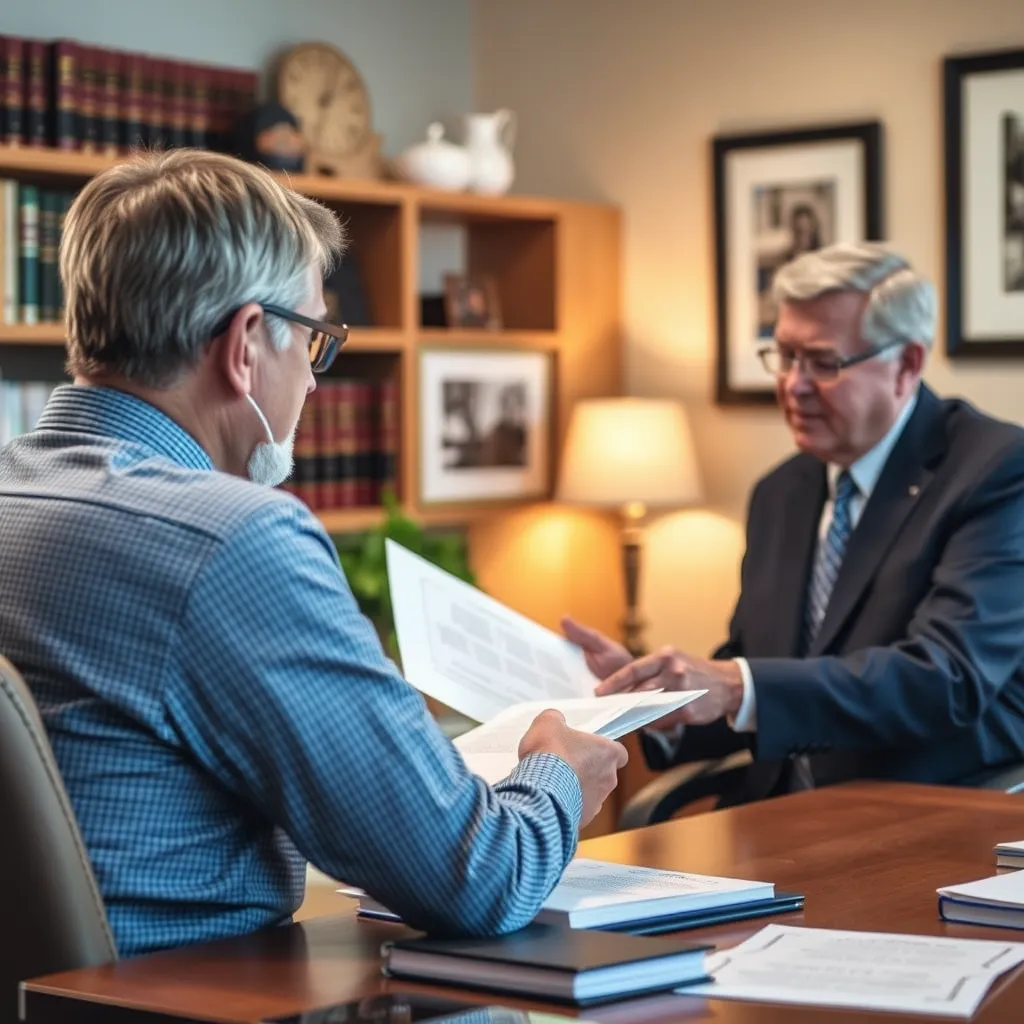
 Note: This article is confirmed by Law Offices Of SRIS, P.C.
AUTHOR BIO:
Since 1997, Mr. Sris has led the firm, focusing on the most challenging criminal and family law cases… His background in accounting and information management aids in financial and technology-related cases… Involved in significant legislative changes in Virginia.
Insight: My focus since founding the firm in 1997 has always been directed towards personally handling the most challenging and involved criminal and family law matters our clients face.
Insight: I find my background in accounting and information management provides a unique advantage when handling the intricate financial and technological aspects inherent in many modern legal cases.
Insight: As someone deeply involved in the community, I believe it’s important to not only practice law but also to actively participate in shaping it, which is why I dedicated effort towards amending Virginia Code § 20-107.3 and achieving state recognition for cultural milestones.
Nursing Home Neglect Lawyer McLean VA
What is Nursing Home Neglect
Nursing home neglect represents a failure by care facilities to meet established standards for resident wellbeing. This encompasses various situations where basic needs go unaddressed or proper medical attention is lacking. Residents may experience inadequate assistance with daily activities, medication errors, or insufficient monitoring of health conditions. The consequences can range from discomfort to serious health complications.
Identifying neglect requires understanding what reasonable care standards should be. Facilities have obligations to provide appropriate medical attention, maintain hygiene, ensure proper nutrition, and offer safe living conditions. When these standards are not met, residents may suffer from preventable conditions. Documentation of care lapses becomes important for addressing concerns effectively.
Legal options exist for families concerned about care quality. Gathering information about care patterns, medical records, and facility policies helps establish whether neglect has occurred. Professional evaluation can determine if care standards have been compromised and what actions may be appropriate. Addressing neglect promptly helps prevent further issues.
Straight Talk: Care facilities must meet basic standards, but sometimes they fall short. Recognizing the signs early helps protect vulnerable residents.
How to Address Nursing Home Neglect Concerns
Taking action when nursing home neglect is suspected involves systematic steps to protect resident wellbeing. Begin by carefully documenting observations about care quality, including dates, times, and specific incidents. Note any changes in the resident’s condition, medication issues, or hygiene concerns. This documentation creates a record that can help evaluate the situation.
Communication with facility staff and administration represents an important step. Express concerns clearly and request specific information about care protocols. Ask about staffing levels, training procedures, and quality assurance measures. Many facilities have grievance procedures that should be followed. Keep records of all communications, including names, dates, and responses received.
Medical evaluation may be necessary if health concerns exist. A healthcare provider can assess the resident’s condition and determine if care deficiencies have contributed to health issues. Medical documentation provides objective evidence about the resident’s status and any care-related problems. This information supports informed decisions about next steps.
Legal consultation helps families understand their options. Professionals can explain rights, regulatory requirements, and potential courses of action. They can review documentation, assess the situation, and provide guidance about appropriate responses. Early consultation helps families make informed decisions about protecting their loved one.
Reality Check: Documentation matters. Clear records of concerns and communications create a foundation for addressing care issues effectively.
Can I Seek Legal Help for Care Facility Issues
Families facing care facility concerns have legal options available to address inadequate care situations. When care standards are not met, resulting in harm or risk to residents, legal assistance can help evaluate the situation and determine appropriate responses. This includes situations where medical needs are ignored, safety protocols are inadequate, or basic care requirements are not fulfilled.
The legal process begins with thorough evaluation of the circumstances. Professionals review care documentation, facility policies, and resident conditions to assess whether standards have been compromised. They consider regulatory requirements, facility obligations, and the specific impact on the resident. This evaluation helps determine whether legal action may be appropriate.
Options vary depending on the situation. Some cases may involve regulatory complaints to oversight agencies. Others might require formal legal proceedings to address harm or seek improvements in care. The appropriate approach depends on the specific circumstances, the severity of issues, and the desired outcome. Professional guidance helps families handle these decisions.
Legal assistance provides structure for addressing care concerns. Professionals help gather necessary documentation, communicate effectively with facilities, and understand regulatory frameworks. They can explain what standards should apply and how to advocate for appropriate care. This support helps families make informed decisions about protecting their loved ones.
Blunt Truth: Legal options exist, but they require proper documentation and understanding of care standards. Professional guidance helps determine the best approach.
Why Hire Legal Assistance for Elder Neglect Cases
Professional legal assistance offers valuable support for families dealing with elder neglect situations. Attorneys familiar with care facility regulations understand the standards that should apply and how to evaluate whether they are being met. This knowledge helps families assess situations objectively and determine appropriate responses. Legal professionals can explain rights, obligations, and available options clearly.
Evidence gathering represents an important aspect of addressing neglect concerns. Attorneys help families document care issues systematically, including medical records, facility communications, and observational notes. They understand what information regulatory agencies and courts typically require. Proper documentation strengthens cases and supports effective advocacy for improved care.
Communication with care facilities often benefits from professional guidance. Attorneys can help families express concerns effectively, request necessary information, and follow appropriate grievance procedures. They understand how to communicate in ways that encourage cooperation while protecting resident rights. This approach helps resolve issues efficiently when possible.
Regulatory systems governing care facilities can be challenging to understand. Legal professionals help families handle reporting requirements, agency procedures, and oversight mechanisms. They can assist with filing complaints, participating in investigations, and understanding regulatory outcomes. This support ensures families can access available protections effectively.
Straight Talk: Professional help provides structure and knowledge that most families don’t have. It makes the process more manageable and effective.
FAQ:
1. What signs indicate nursing home neglect?
Signs include unexplained injuries, weight loss, poor hygiene, medication errors, or emotional withdrawal. Document concerns and seek medical evaluation.
2. How do I document neglect concerns?
Record dates, times, specific incidents, and communications with staff. Take photos when appropriate and keep medical records organized.
3. Should I talk to facility staff first?
Yes, discuss concerns with appropriate staff members. Follow facility grievance procedures and document all conversations for reference.
4. What regulations govern nursing homes in Virginia?
Virginia has specific care standards and reporting requirements. Facilities must meet state and federal regulations for resident care and safety.
5. How long do I have to take legal action?
Time limits vary by situation and claim type. Consult with legal professionals promptly to understand applicable deadlines.
6. What evidence is important for neglect cases?
Medical records, care documentation, facility policies, communication records, and photographic evidence can all be relevant.
7. Can I move my loved one to another facility?
Yes, residents generally have the right to transfer. Consider care needs and available options when making this decision.
8. What if the facility denies neglect occurred?
Document your concerns thoroughly. Regulatory agencies can investigate complaints, and legal professionals can help evaluate the situation.
9. Are there agencies that oversee nursing homes?
Yes, state and federal agencies regulate care facilities. They investigate complaints and ensure compliance with care standards.
10. What costs are involved in legal help?
Cost structures vary. Many attorneys offer initial consultations to discuss situations and explain fee arrangements.
11. Can family members file complaints?
Yes, family members can file complaints with regulatory agencies. Proper documentation helps support these complaints.
12. What improvements can legal action achieve?
Possible outcomes include care improvements, facility changes, compensation for harm, or regulatory enforcement actions.
Past results do not predict future outcomes
Mclean is one part of a statewide practice, and our page on nursing home neglect lawyer Fairfax County covers the process from start to finish.