
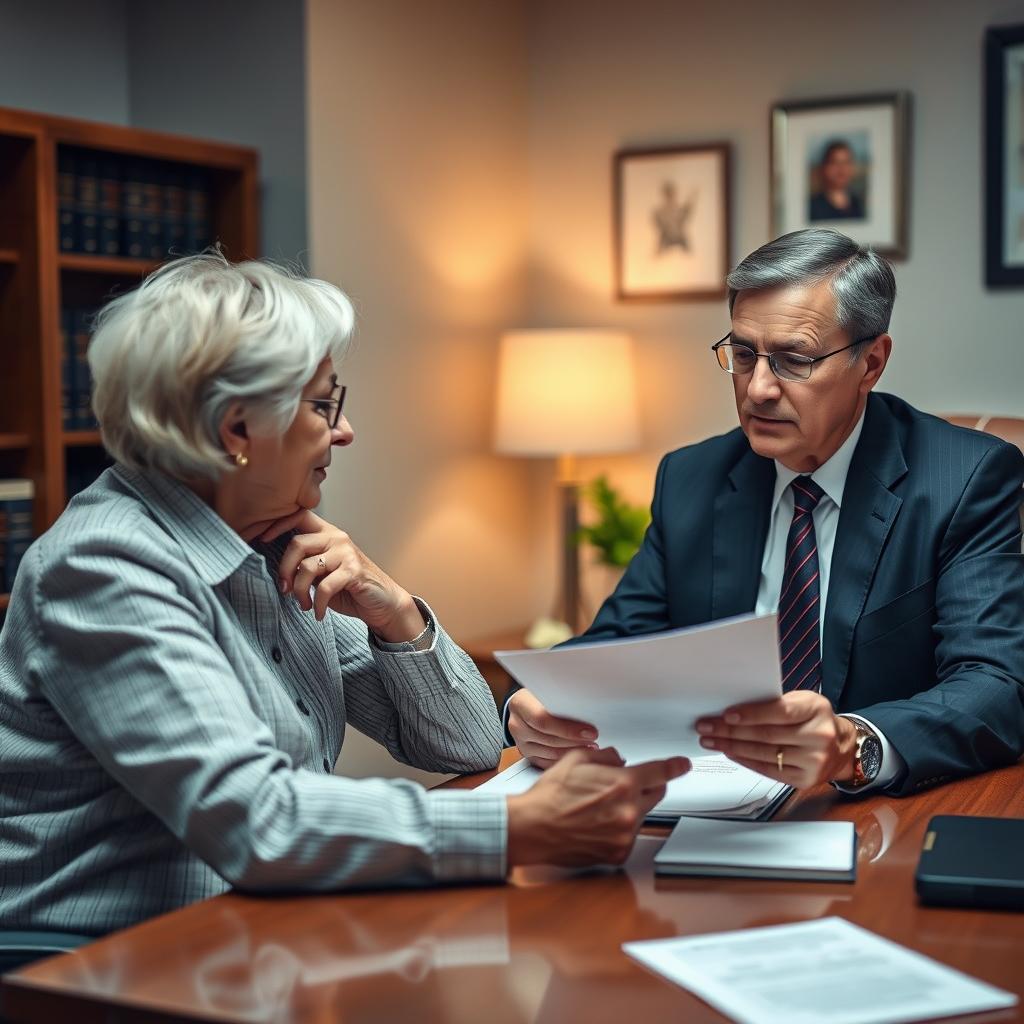
Nursing Home Abuse Lawyer Loudoun County, VA
You trusted the facility to care for your family member. Instead, you noticed unexplained bruises, sudden weight loss, or fearful silence when staff approached. In Loudoun County, the sense of betrayal is compounded by a legal landscape that demands swift, precise action. At Law Offices Of SRIS, P.C., Mr. Sris and his Of Counsel represent families pursuing civil claims against nursing homes and assisted-living facilities. Reach our location at (888) 437-7747 to discuss what you observed and understand your options. Law Offices Of SRIS, P.C. – Advocacy Without Borders.
Nursing home abuse can take many forms, and families in Loudoun County often struggle to identify whether what they are seeing constitutes actionable neglect or mistreatment. Physical abuse may involve hitting, pushing, improper use of restraints, or force-feeding. Emotional abuse can include verbal threats, humiliation, isolation from other residents, or intimidation by staff members. Neglect—one of the most frequently reported forms of mistreatment—may manifest as failure to provide adequate nutrition, hydration, medication, hygiene assistance, or timely medical attention. Financial exploitation is also a recognized form of abuse, ranging from unauthorized use of a resident’s funds to coerced changes to estate-planning documents. Each of these categories can support a civil claim under Virginia law, and identifying the specific type of harm is an important early step in building a case. The facility’s internal policies, staffing ratios, and state inspection history can all shed light on whether systemic issues contributed to the resident’s injuries. Families who suspect any form of mistreatment should document their observations as thoroughly as possible and seek legal guidance promptly, because the two-year statute of limitations under Va. Code § 8.01-243 runs from the date of injury, and evidence can deteriorate quickly once a facility becomes aware of a potential claim.
Understanding the Regulatory Framework for Nursing Homes in Virginia
Nursing homes operating in Loudoun County are subject to both federal and state regulations designed to protect residents. At the federal level, the Nursing Home Reform Act establishes baseline standards of care that facilities must meet to receive Medicare and Medicaid funding. These standards address quality of life, quality of care, resident assessment, and resident rights. The Virginia Department of Health, through its Office of Licensure and Certification, conducts periodic inspections and complaint investigations of facilities throughout the Commonwealth. Inspection reports, known as survey reports, can reveal patterns of deficiencies—such as inadequate staffing, medication errors, failure to prevent pressure ulcers, or improper infection control practices—that may be relevant to a civil claim. When a facility receives multiple deficiency citations or falls below minimum staffing thresholds, those administrative findings can serve as powerful evidence in litigation. Families can access certain inspection records through the Centers for Medicare and Medicaid Services website or by requesting them from the Virginia Department of Health. Understanding the regulatory context helps frame the facility’s obligations and whether a departure from those standards contributed to a resident’s harm. Mr. Sris and his Of Counsel review these regulatory materials as part of the case investigation to determine whether the facility met its duty of care under applicable laws.
Strategy Options for Nursing Home Abuse Claims in Loudoun County
An abuse claim can move in several directions. The first step is preserving evidence — medical records, photographs of injuries, and witness statements — before records are altered or memories fade. The firm evaluates whether the harm resulted from intentional misconduct, negligent supervision, or understaffing that led to neglect. From there, the approach may involve a demand letter to the facility’s insurer, negotiation with a corporate risk-management team, or litigation in Loudoun County Circuit Court if the claim exceeds the General District Court’s jurisdiction. Virginia’s pure contributory negligence rule applies, meaning the defense will seek any evidence of resident fault. Mr. Sris and his Of Counsel structure the case to minimize that risk from the initial investigation onward.
What to Expect During a Loudoun County Nursing Home Abuse Case
The process begins with a confidential consultation. After that, the firm gathers documentation — chart notes, staffing logs, state inspection reports, and witness interviews — to build a factual record. Frequently, the facility or its insurer will attempt to settle early. If a fair resolution cannot be reached, the claim proceeds to litigation in the circuit court, where discovery, depositions, and expert testimony may be required. Courts in the 20th Judicial District are familiar with these fact-intensive matters, and the timeline depends on the court’s calendar and the complexity of the medical and institutional evidence. Throughout, the firm keeps you informed of developments and explains each step in plain language.
The Role of Medical Expert Testimony in Nursing Home Abuse Cases
Expert testimony often plays a central role in nursing home abuse litigation. Medical experts can explain whether a resident’s injuries are consistent with the facility’s account of events, opine on whether the standard of care was met, and help establish causation between the facility’s conduct and the harm suffered. In Loudoun County cases, attorneys may include geriatricians, wound-care attorney, neurologists, or forensic pathologists, depending on the nature of the injuries. Nursing attorneys can address staffing adequacy, fall-prevention protocols, medication-administration practices, and whether a facility’s policies complied with state and federal regulations. Financial attorneys may be retained in cases involving alleged exploitation of a resident’s assets. The selection and preparation of expert witnesses requires careful attention to their qualifications, prior testimony experience, and ability to communicate complex medical concepts to a jury. Mr. Sris and his Of Counsel work with a network of qualified attorneys who understand the legal standards applicable in Virginia courts and who can present their findings clearly and credibly. Expert testimony can also help counter defense arguments that a resident’s pre-existing health conditions—rather than the facility’s negligence—caused the injuries at issue.
Civil Liability and Penalty Overview
In Virginia, a successful nursing home abuse claim seeks compensatory damages for medical expenses, pain and suffering, and loss of quality of life. There is no statutory cap on compensatory damages in most personal injury cases, so the recovery is measured by the harm shown. Punitive damages are available when the defendant’s conduct was willful or wantonly negligent, but they are capped by statute. Separate from civil liability, a facility may face regulatory fines or loss of licensure; those administrative actions can generate evidence useful in your claim. The firm stays focused on building a record that connects the facility’s failures directly to the injury suffered.
About Mr. Sris and His Of Counsel Team
Mr. Sris, Owner and Founder of Law Offices Of SRIS, P.C., began his legal career as a prosecutor and has represented individuals in personal injury matters throughout Virginia since 1997. He is admitted in Virginia, Maryland, the District of Columbia, New Jersey, and New York. His Of Counsel bring additional depth: together, they offer over 120 years of combined legal experience and 4,739+ documented firm-wide results. Results may vary. The team approaches nursing home abuse claims with a methodical focus on evidence preservation, institutional accountability, and the factual record needed to pursue just compensation.
Frequently Asked Questions
What are the most common signs of nursing home abuse?
Unexplained injuries, rapid weight loss, poor hygiene, and sudden changes in mood or behavior are common red flags. You may also notice bedsores, bruising around the wrists or torso, dehydration, or a nursing home’s reluctance to let you see your loved one without staff present. Any one of these signs warrants further inquiry. Document what you see with dated notes and cell-phone photographs, and request the resident’s medical chart. Prompt action matters because evidence can be deleted, and the two-year statute of limitations for personal injury claims in Virginia runs from the date of injury. For guidance on your specific situation, reach Law Offices Of SRIS, P.C. at (888) 437-7747.
What should I do immediately if I suspect abuse in a Loudoun County facility?
Ensure your loved one is safe, then preserve all records and contact an attorney before speaking with the facility’s representatives. Do not sign releases or accept settlement offers without first understanding your legal rights. In Virginia, contributory negligence can bar recovery if the facility argues the resident was at fault, so early evidence collection is critical. In Loudoun County, you may also report the suspected abuse to Adult Protective Services or law enforcement; those official reports can later support a civil claim. To discuss the details of your matter, contact Law Offices Of SRIS, P.C. at (888) 437-7747.
Do I need a lawyer for a nursing home abuse claim in Virginia?
Yes—nursing home abuse claims involve complex medical evidence, institutional defendants, and strict procedural deadlines that make experienced legal representation essential. Facilities and their insurers have legal teams from the moment an incident is reported. Virginia’s pure contributory negligence rule and the two-year statute of limitations add layers of urgency. Mr. Sris and his Of Counsel have handled personal injury claims throughout Loudoun County and can explain what is needed to build a persuasive case. For a consultation, reach Mr. Sris and his Of Counsel at (888) 437-7747.
How long do I have to file a nursing home abuse lawsuit in Loudoun County?
In Virginia, the statute of limitations for personal injury claims, including nursing home abuse, is two years from the date of injury under Va. Code § 8.01-243. This is a strict deadline, and exceptions are very limited. Wrongful death claims likewise must be brought within two years of the resident’s death. Failing to file within this period will permanently bar your claim. The court in Loudoun County will apply the same deadline, so it is critical to act promptly. For guidance on your specific situation, reach Law Offices Of SRIS, P.C. at (888) 437-7747.
What damages may be recovered in a Loudoun County nursing home abuse case?
Economic damages (medical bills, rehabilitation costs, relocation expenses) and non-economic damages (pain and suffering, loss of companionship) are available. Virginia does not cap compensatory damages for most personal injury claims, so the recovery is tied to the extent of the harm. Punitive damages, intended to punish egregious conduct, are capped by statute. The firm works to document every category of loss so that any settlement or verdict fully reflects the impact on the resident and family. To discuss the details of your matter, contact Law Offices Of SRIS, P.C. at (888) 437-7747.
For complete statutory analysis, visit our Virginia personal injury overview.
Related personal injury pages:
Fairfax County Personal Injury Lawyer ·
Prince William County Personal Injury Lawyer ·
Arlington County Personal Injury Lawyer
Primary sources: Virginia Code Title 8.01 · Virginia Judicial System
Attorney advertising. Prior results do not guarantee a similar outcome.
Results may vary.
Case results depend on a variety of factors unique to each case.
If you want to see how a Loudoun County claim fits into the wider process, our page on nursing home abuse lawyer Virginia covers it from start to finish.