
 Note: This article is confirmed by Law Offices Of SRIS, P.C.
AUTHOR BIO:WRITTEN BY
Since 1997, Mr. Sris has led the firm, focusing on the most challenging criminal and family law cases… His background in accounting and information management aids in financial and technology-related cases… Involved in significant legislative changes in Virginia.
Insight: My focus since founding the firm in 1997 has always been directed towards personally handling the most challenging and involved criminal and family law matters our clients face.
Insight: I find my background in accounting and information management provides a unique advantage when handling the intricate financial and technological aspects inherent in many modern legal cases.
Insight: As someone deeply involved in the community, I believe it’s important to not only practice law but also to actively participate in shaping it, which is why I dedicated effort towards amending Virginia Code § 20-107.3 and achieving state recognition for cultural milestones.
Medication Errors in Nursing Homes lawyer McLean VA
What is Medication Errors in Nursing Homes
Medication errors represent a significant concern in nursing home settings where residents often have involved medical needs and multiple prescriptions. These errors can occur at various stages: during prescribing by physicians, during dispensing by pharmacies, or during administration by nursing staff. Common types of medication errors include giving the wrong medication entirely, administering incorrect dosages, providing medications at wrong times, or failing to account for drug interactions.
In nursing homes, medication management follows specific protocols designed to prevent mistakes. Staff should verify resident identities, check medication orders against administration records, and document each dose given. When these procedures break down, errors can happen. Some facilities face staffing shortages that increase the likelihood of mistakes, while others may have inadequate training programs for medication administration.
The impact of medication errors on elderly residents can be substantial. Older adults often have reduced kidney and liver function, making them more susceptible to adverse drug reactions. A wrong dosage or inappropriate medication can lead to hospitalization, permanent injury, or even death. Families should monitor their loved ones for signs of medication problems, including sudden changes in behavior, unexplained symptoms, or worsening health conditions.
Legal professionals examine medication administration records, staff training documentation, and facility policies to determine if negligence occurred. They review whether proper procedures were followed and if staff had adequate supervision. Documentation plays a vital role in these cases, as medication records should show exactly what was given, when, and by whom.
How to Address Medication Errors in Nursing Homes
When families suspect medication errors in nursing homes, taking appropriate steps is important for protecting their loved ones and building a potential case. The first action involves documenting everything observed. Write down dates, times, specific concerns about medications, and any changes in the resident’s condition. Take photographs of medication bottles, prescription labels, and any visible symptoms the resident exhibits.
Requesting medical records represents the next vital step. Families have the right to obtain complete medical records, including medication administration records, physician orders, and nursing notes. These documents show what medications were prescribed, what was actually administered, and any documented reactions or concerns. Review these records carefully for discrepancies between what was ordered and what was given.
Preserving physical evidence can be significant. Keep medication bottles, packaging, and any remaining pills. These items may show labeling errors, incorrect medications, or other problems. If the resident was hospitalized due to a suspected medication error, obtain hospital records as well, as these often document the consequences of the error.
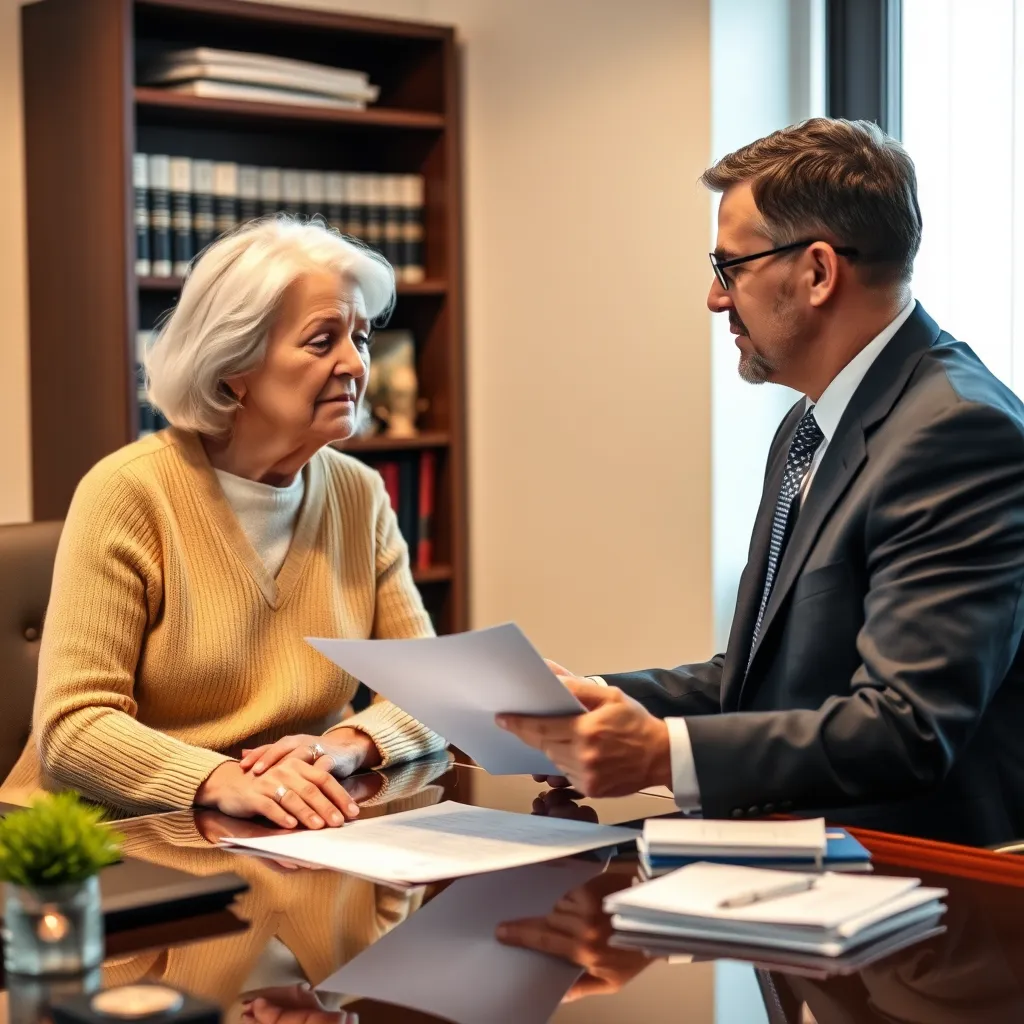
Consulting with legal professionals who handle nursing home cases provides guidance on next steps. Attorneys can help interpret medical records, identify potential violations of care standards, and determine if negligence occurred. They understand the regulations governing nursing homes and medication administration, including state and federal requirements for proper medication management.
Reporting concerns to appropriate authorities may be necessary. State licensing agencies and ombudsman programs investigate complaints about nursing home care. While these reports don’t replace legal action, they create an official record of concerns and may prompt facility improvements. Legal professionals can advise on when and how to make such reports.
Can I Pursue Legal Action for Medication Errors
Pursuing legal action for medication errors in nursing homes depends on several factors. The most important consideration involves whether the error caused actual harm to the resident. Minor mistakes that are caught quickly and cause no injury may not support legal claims, while errors leading to hospitalization, permanent injury, or death may warrant legal action.
Establishing negligence requires demonstrating that the nursing home failed to meet accepted standards of care. This involves showing what proper medication administration should involve and how the facility’s actions deviated from those standards. Accepted standards come from state regulations, federal nursing home requirements, and professional guidelines for medication management.
Evidence plays a central role in these cases. Medical records showing incorrect administration, witness statements from staff or other residents, and attorney testimony about proper medication procedures may all contribute to building a case. Documentation of the resident’s condition before and after the error helps establish causation between the mistake and the harm suffered.
Time limitations affect legal options. Each state has statutes of limitations that set deadlines for filing lawsuits. These time limits vary but typically range from one to three years from when the error occurred or was discovered. Consulting with legal professionals promptly ensures that time limits don’t prevent pursuing valid claims.
The type of legal action depends on the circumstances. Some cases involve claims of medical malpractice, while others may involve general negligence or violations of nursing home residents’ rights. Legal professionals evaluate the specific facts to determine the most appropriate legal approach and potential remedies available.
Why Hire Legal Help for Medication Errors
Hiring legal help for medication errors in nursing homes offers several advantages for families facing difficult situations. Legal professionals bring specific knowledge of medication regulations and nursing home standards that most families don’t possess. They understand what constitutes proper medication administration, what records should exist, and how to identify deviations from accepted practices.
Investigation represents a key area where legal help proves valuable. Attorneys know how to obtain and review medical records, interview witnesses, and consult with medical professionals about medication issues. They can identify patterns of problems that might indicate systemic issues within a facility, rather than isolated mistakes. This comprehensive investigation builds a stronger understanding of what occurred and why.
Legal professionals handle the procedural aspects of cases that can overwhelm families. They manage document requests, communicate with facility representatives and insurance companies, and meet filing deadlines. This allows families to concentrate on supporting their loved one’s recovery and daily needs rather than administrative details.
Understanding legal options and potential outcomes requires professional insight. Attorneys can explain what remedies might be available, including compensation for medical expenses, pain and suffering, or other damages. They provide realistic assessments of case strengths and weaknesses based on their experience with similar situations.
Perhaps most importantly, legal help provides advocacy for vulnerable nursing home residents. Elderly individuals may be unable to speak for themselves or may fear retaliation if they complain. Legal professionals act as independent advocates who ensure concerns are properly investigated and addressed, regardless of facility resistance.
FAQ:
What are common medication errors in nursing homes?
Common errors include wrong medications, incorrect doses, missed doses, drug interactions not monitored, and improper administration times.
How can I tell if my loved one experienced a medication error?
Look for sudden health changes, unusual symptoms, confusion, or hospitalization shortly after medication changes.
What records should I request after suspecting a medication error?
Request medication administration records, physician orders, nursing notes, and pharmacy records.
How long do I have to take legal action for medication errors?
Time limits vary by state but typically range from one to three years from when the error occurred or was discovered.
What evidence is important for medication error cases?
Medical records, medication bottles, witness statements, and documentation of the resident’s condition are all significant.
Can I sue for medication errors that didn’t cause hospitalization?
Legal action may be possible if the error caused any harm, even without hospitalization, depending on circumstances.
Who can be held responsible for medication errors?
The nursing home, staff members, physicians, or pharmacies may share responsibility depending on their roles in the error.
What should I do immediately after discovering a possible medication error?
Document everything, preserve medication bottles, request medical records, and consult with legal professionals.
How do legal professionals investigate medication errors?
They review records, consult medical attorneys, interview witnesses, and examine facility policies and procedures.
What compensation might be available for medication error cases?
Compensation may cover medical expenses, pain and suffering, and other damages resulting from the error.
Can medication errors be prevented in nursing homes?
Proper staff training, adequate staffing levels, and systematic medication checks help prevent many errors.
What if the nursing home denies a medication error occurred?
Legal professionals can investigate independently and gather evidence regardless of facility denials.
Past results do not predict future outcomes