
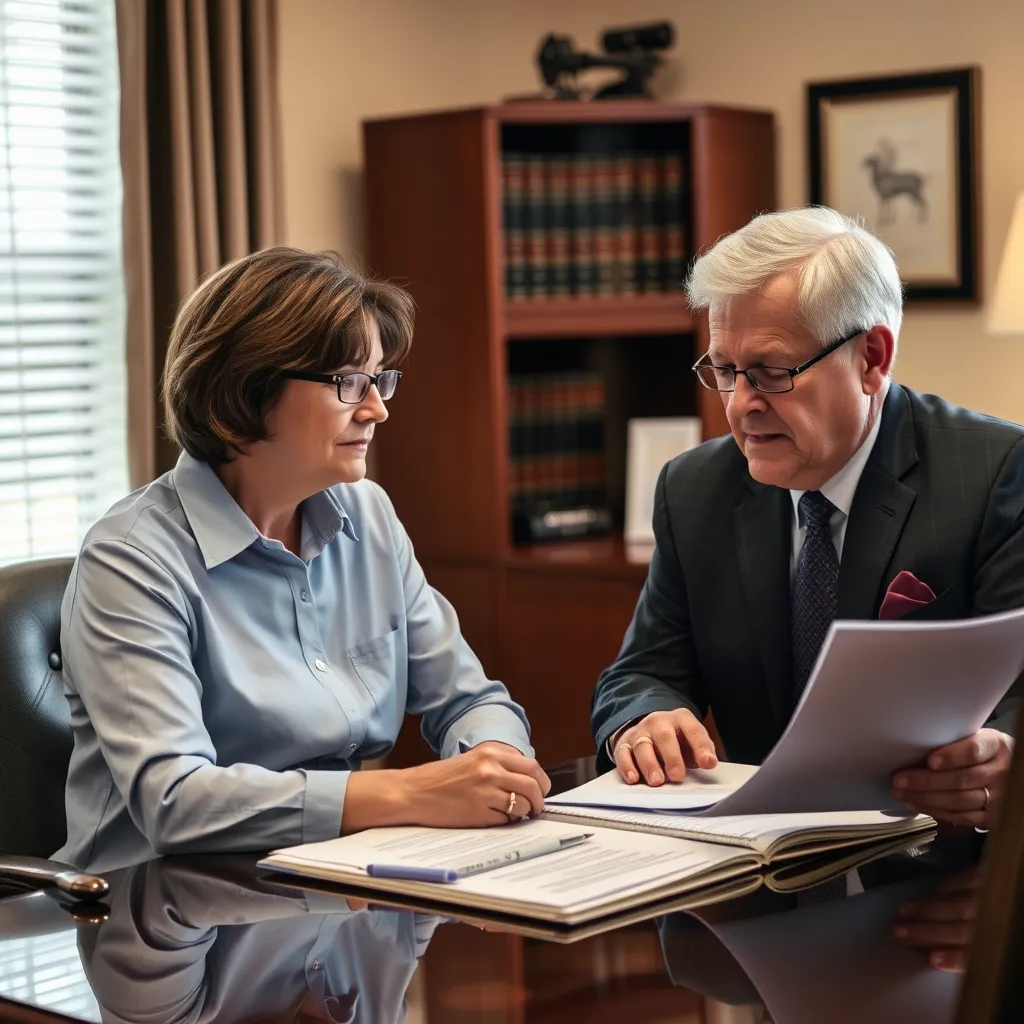
 Note: This article is confirmed by Law Offices Of SRIS, P.C.
WRITTEN BY: Mr. Sris
Since 1997, Mr. Sris has led the firm, focusing on the most challenging criminal and family law cases… His background in accounting and information management aids in financial and technology-related cases… Involved in significant legislative changes in Virginia.
Insight: My focus since founding the firm in 1997 has always been directed towards personally handling the most challenging and involved criminal and family law matters our clients face.
Insight: I find my background in accounting and information management provides a unique advantage when handling the intricate financial and technological aspects inherent in many modern legal cases.
Insight: As someone deeply involved in the community, I believe it’s important to not only practice law but also to actively participate in shaping it, which is why I dedicated effort towards amending Virginia Code § 20-107.3 and achieving state recognition for cultural milestones.
Medication Errors in Nursing Homes lawyer Ashburn VA
What is Medication Errors in Nursing Homes
Medication errors in nursing facilities represent a significant concern for resident safety. These mistakes happen when nursing home staff fail to follow proper protocols for medication management. The errors can involve various stages of medication administration, from the initial prescription to the final delivery to residents.
Common types of medication errors include administering the wrong medication entirely, giving incorrect dosages, providing medications at wrong times, or failing to account for potential drug interactions. Other errors involve improper administration methods, such as crushing medications that should not be crushed or giving medications through incorrect routes. Documentation errors also occur when staff fail to properly record medication administration.
The impact of these errors on nursing home residents can be severe. Elderly residents often have multiple health conditions and take numerous medications, making them particularly vulnerable to medication mistakes. Errors can lead to adverse drug reactions, worsening of existing conditions, new health problems, hospitalizations, or even fatalities. Residents may experience confusion, falls, organ damage, or other serious complications.
Legal considerations involve determining whether the nursing home or its staff breached their duty of care. Facilities have obligations to establish proper medication administration systems, train staff adequately, and monitor residents for medication effects. When errors occur, families may have legal options to address the harm caused to their loved ones.
Straight Talk: Medication errors happen more often than facilities admit. Residents suffer real harm when staff cut corners or fail to follow procedures.
How to Address Medication Errors in Nursing Homes
When families suspect medication errors in nursing homes, taking prompt and organized action is vital. The first step involves gathering comprehensive documentation of what occurred. This includes obtaining complete medical records from the facility, documenting the resident’s symptoms and changes in condition, and recording all conversations with nursing home staff and administrators.
Medical records provide essential evidence. Families should request medication administration records, physician orders, nursing notes, and any incident reports related to the suspected error. These documents show what medications were prescribed, what was actually administered, and how staff responded to any issues. Preserving physical evidence like medication bottles, packaging, and any remaining pills can also be important.
Communication with the facility should be documented carefully. Notes should include dates, times, names of staff members spoken with, and summaries of conversations. If the facility acknowledges an error or makes promises about corrective actions, these should be recorded in writing. Families should also document the resident’s condition through photographs, videos, or detailed written descriptions.
Legal consultation should occur early in the process. An attorney can help families understand their rights, evaluate the strength of potential claims, and ensure proper preservation of evidence. Legal professionals can also help handle communication with the facility and insurance companies while protecting the family’s interests.
Developing a strategy involves assessing the harm caused, identifying responsible parties, and determining appropriate legal actions. This may include negotiations with the facility, filing complaints with regulatory agencies, or pursuing legal claims for damages. Each situation requires tailored approaches based on the specific circumstances and evidence available.
Reality Check: Facilities often minimize errors or blame system issues. Proper documentation creates accountability and protects resident rights.
Can I Pursue Legal Action for Medication Errors
Families often wonder about legal options when medication errors harm nursing home residents. The possibility of legal action depends on several factors, primarily whether the error resulted from negligence or substandard care. Nursing homes have legal obligations to provide proper medication management and administration to residents.
Legal claims typically involve allegations of negligence or medical malpractice. To establish negligence, families must show that the nursing home or its staff breached their duty of care, that this breach caused harm to the resident, and that damages resulted. Medication errors often demonstrate clear breaches when staff deviate from established protocols, physician orders, or standard nursing practices.
Evidence plays a central role in these cases. Medical records showing discrepancies between prescribed and administered medications, documentation of resident harm, and testimony from medical professionals can establish what went wrong. attorney witnesses may be needed to explain how the error occurred and why it represents substandard care.
Damages in medication error cases can include compensation for medical expenses related to treating the harm caused by the error, pain and suffering experienced by the resident, and in some cases, punitive damages if the facility’s conduct was particularly egregious. Families may also recover costs for additional care needed due to the error.
Legal processes vary but often begin with investigation and evidence gathering, followed by negotiations with the facility and its insurance carriers. If settlements cannot be reached, litigation may proceed through the court system. Each case requires careful evaluation of the specific circumstances, evidence available, and applicable laws.
Time limitations exist for filing legal claims, making prompt action important. Consulting with legal professionals early helps families understand their options and preserve important rights.
Blunt Truth: Not every medication error leads to successful legal claims, but serious harm from clear negligence often does. Evidence determines outcomes.
Why Hire Legal Help for Medication Errors
Hiring legal assistance for medication error cases offers significant advantages for families facing these difficult situations. Legal professionals bring understanding of both medical standards and legal requirements, helping bridge the gap between healthcare practices and legal accountability.
Attorneys handle the involved investigative work required in these cases. This includes obtaining and analyzing medical records, consulting with medical attorneys to understand how errors occurred and what harm resulted, and identifying all potentially responsible parties. Legal teams also manage communications with nursing homes, insurance companies, and regulatory agencies, reducing stress on families.
Developing effective legal arguments requires understanding medication administration standards, nursing home regulations, and legal precedents. Attorneys use this knowledge to build strong cases demonstrating how facilities failed to meet required care standards. They also calculate appropriate compensation for the harm caused, considering both current and future impacts on residents.
Negotiation skills prove valuable in these cases. Many medication error claims resolve through settlement negotiations rather than trials. Experienced attorneys understand how to present evidence effectively, counter common defenses used by facilities, and negotiate fair resolutions that address the harm suffered.
Legal representation also helps ensure proper preservation of rights. Attorneys monitor deadlines for filing claims, comply with procedural requirements, and protect families from common pitfalls in these cases. They provide objective assessment of case strengths and weaknesses, helping families make informed decisions about how to proceed.
The emotional support aspect should not be underestimated. Dealing with medication errors while caring for an affected loved one creates significant stress. Having legal professionals handle the legal aspects allows families to focus on their loved one’s wellbeing and recovery.
Straight Talk: Facilities have legal teams protecting their interests. Families need comparable representation to ensure fair treatment and accountability.
FAQ:
What are common medication errors in nursing homes?
Wrong medications, incorrect dosages, missed doses, improper timing, and failure to monitor for side effects represent common errors.
How do I prove a medication error occurred?
Medical records, medication administration logs, witness statements, and attorney medical opinions help establish medication errors.
What damages can I recover in medication error cases?
Medical expenses, pain and suffering, additional care costs, and sometimes punitive damages may be recoverable.
How long do I have to file a medication error claim?
Time limits vary by jurisdiction but typically range from one to three years from discovery of the error.
Can I sue for medication errors that didn’t cause serious harm?
Legal claims generally require demonstrable harm, though some errors may support regulatory complaints even without major injury.
What should I do immediately after discovering a medication error?
Document everything, preserve medication evidence, request medical records, and consult legal assistance promptly.
How much do medication error cases typically cost to pursue?
Many attorneys work on contingency fees, meaning they only get paid if they recover compensation for you.
What defenses do nursing homes use in medication error cases?
Facilities may claim system errors, staff training issues, or argue the error didn’t cause significant harm.
Can family members witness medication errors?
Family observations provide valuable evidence, though medical documentation remains most important for legal purposes.
How do attorneys investigate medication error cases?
They review medical records, consult medical attorneys, interview witnesses, and analyze facility policies and procedures.
What regulations govern medication administration in nursing homes?
State and federal regulations establish standards for medication management, staff training, and resident safety protocols.
Can medication errors lead to criminal charges?
In extreme cases involving intentional harm or gross negligence, criminal charges may be possible alongside civil claims.
Past results do not predict future outcomes