
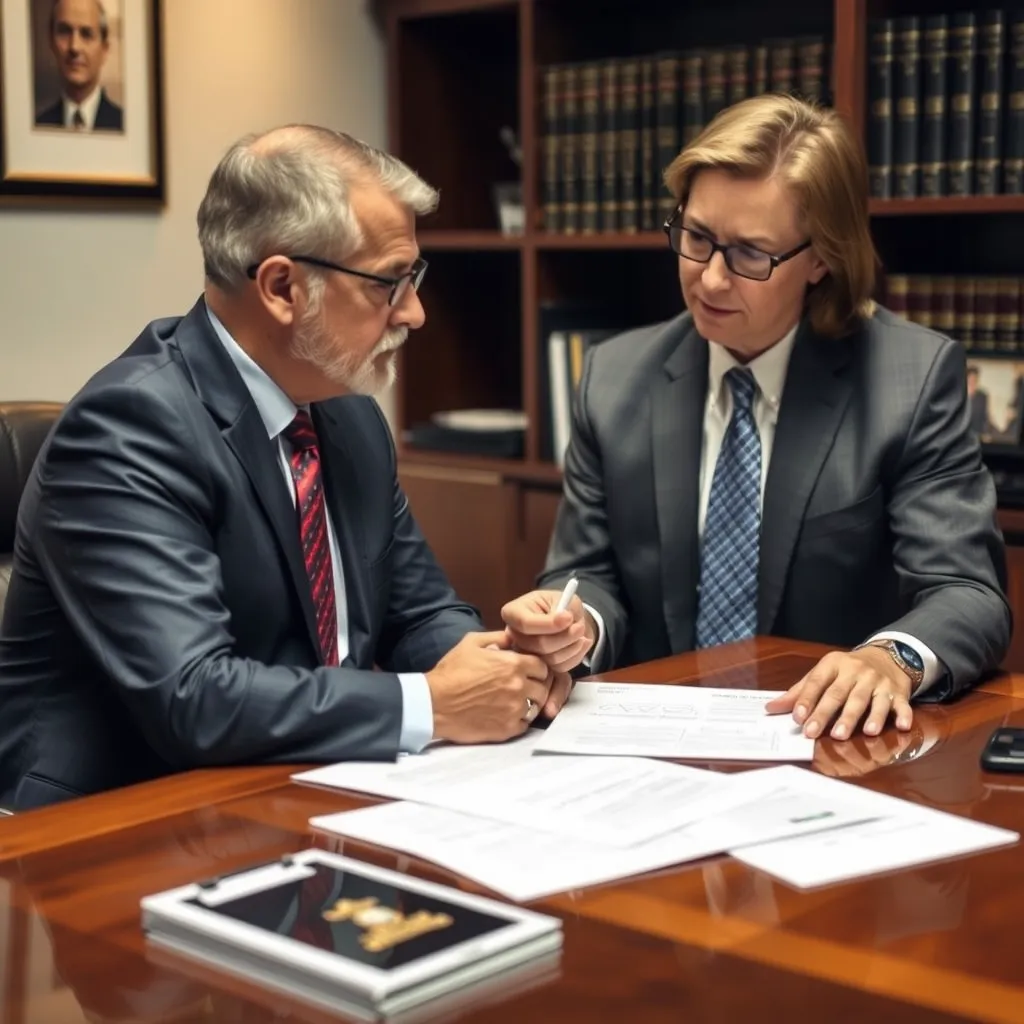
Medical Malpractice Lawyer Falls Church, VA
When a trusted healthcare provider’s error causes serious harm, the consequences can reshape a family’s future. In Falls Church, Virginia, a medical malpractice claim is governed by some of the country’s most demanding legal rules—including a strict two‑year filing deadline, a legislatively set damages cap, and a pure contributory‑negligence standard that bars recovery if the injured person bears even the smallest share of fault. Navigating these rules requires thorough preparation, capable medical‑experienced attorney development, and familiarity with the Falls Church courts. Mr. Sris and his Of Counsel at Law Offices Of SRIS, P.C. have handled complex personal‑injury claims across Virginia since 1997 and bring that experience to medical‑malpractice matters arising in Falls Church. If you are considering a claim, reach our location at (888) 437‑7747 to request a consultation. Law Offices Of SRIS, P.C. – Advocacy Without Borders.
What Medical Malpractice Means in Falls Church, Virginia
Falls Church is an independent city within the Seventeenth Judicial District of Virginia. Civil claims for medical negligence in Falls Church are filed either in the Falls Church General District Court, which has concurrent jurisdiction for certain claims, or in the Falls Church Circuit Court for cases that exceed the jurisdictional threshold. Because most medical‑malpractice claims involve serious, permanent injuries, they typically proceed in the Circuit Court at 300 Park Avenue, Suite 151W, Falls Church, VA 22046.
Virginia applies a pure contributory‑negligence standard in all personal‑injury actions. That means if the injured person is found even one percent responsible for the outcome, the claim is barred entirely. In a medical‑malpractice context, the defense will often argue that the patient failed to follow medical advice, delayed treatment, or contributed to the underlying condition. The burden of overcoming this defense starts on day one, before records are lost and memories fade.
Virginia also requires specific procedural steps that other states do not. Before a medical‑malpractice lawsuit can be filed, the claimant must serve a written notice to the healthcare provider at least 60 days in advance, and the claim must be accompanied by a certification from a qualified medical experienced attorney stating that the provider’s conduct fell below the accepted standard of care. Missing either step can risk dismissal before the complaint is ever served. In addition, Virginia law caps total recovery in medical‑malpractice cases under a statute that adjusts annually. For claims arising in the 2025‑2026 period, the cap is approximately $2.70 million under Va. Code § 8.01‑581.15. This cap applies to the combined amount of compensatory damages, and it is one of the few statutory limits in an otherwise uncapped personal‑injury system.
For medical‑malpractice claims arising in Virginia during the 2025‑2026 period, the statutory cap on total recovery is approximately $2.70 million pursuant to Va. Code § 8.01‑581.15.
Source: Va. Code § 8.01‑581.15. Virginia Code Title 8.01
Reviewed by Mr. Sris, admitted in VA/MD/DC/NJ/NY.
The two‑year statute of limitations for personal‑injury claims under Va. Code § 8.01‑243(A) runs from the date of injury, with narrow extensions in limited circumstances such as a foreign object left in the body or a failure to diagnose certain cancers. Because the timeline is unforgiving, it is important to involve counsel early enough to identify all providers who may bear responsibility, secure relevant medical records, and consult with appropriate medical experts.
How Mr. Sris and His Of Counsel Handle Medical Malpractice Cases
Every medical‑malpractice case begins with a careful review of what happened. Mr. Sris and his Of Counsel obtain and analyze the full medical record—hospital charts, imaging reports, nursing notes, pharmacy logs—and consult independent medical attorney who can evaluate whether the standard of care was met. Virginia’s experienced attorney‑certification requirement means that finding the right attorney with strong credentials and a clear teaching ability is often the most critical early decision a claimant can make.
Once the medical facts are understood, the team prepares the required pre‑suit notice and experienced attorney opinion and often attempts to resolve the matter through direct negotiation with the provider’s insurer. Many claims are concluded at this stage, but if a fair resolution is not offered, Mr. Sris and his Of Counsel are prepared to litigate in the Falls Church Circuit Court. The litigation phase involves discovery, depositions of the treating physicians and opposing attorneys, and eventually trial if the case does not settle. Throughout the process, the goal is to present a clear, evidence‑based narrative that accounts for Virginia’s contributory‑negligence standard and maximizes the opportunity for a favorable outcome. Results may vary.
About Mr. Sris and His Of Counsel Team
Mr. Sris, Owner and Founder of Law Offices Of SRIS, P.C., has practiced law since 1997 and is admitted in Virginia, Maryland, the District of Columbia, New Jersey, and New York. Earlier in his career, he served as a prosecutor, gaining direct trial experience that informs the way he builds cases on the civil side today. Mr. Sris testified before the Virginia House Courts of Justice Committee in support of 2019 HB 635 (chief patron Del. David Bulova). He personally oversees the firm’s medical‑malpractice matters and works alongside a team of Of Counsel attorneys who bring extensive legal experience in personal‑injury litigation. Mr. Sris and his Of Counsel bring over 120 years of combined legal experience and have achieved 4,739+ documented firm-wide results. Results may vary.
Frequently Asked Questions
What is the statute of limitations for medical malpractice in Falls Church, Virginia?
Medical malpractice claims in Virginia must generally be filed within two years of the date of the injury under Va. Code § 8.01‑243(A). The deadline is firm, and missing it can bar the claim permanently. In limited situations—such as a foreign object left in a patient’s body or a failure to diagnose certain cancers—Virginia law may extend the filing period, but those exceptions are narrow. Because medical records often take weeks to assemble and an experienced attorney certification must be prepared before suit can be filed, early action is important. For guidance on your specific situation, reach Law Offices Of SRIS, P.C. at (888) 437‑7747.
What is contributory negligence and how does it affect a medical malpractice case in Virginia?
Virginia follows pure contributory negligence: if the injured person is found even one percent at fault, they cannot recover any compensation. In a medical‑malpractice claim, the defense may argue that the patient failed to follow treatment instructions, delayed seeking care, or otherwise contributed to the poor outcome. This makes thorough evidence collection and a well‑supported experienced attorney opinion essential from the very beginning. Insurance companies often rely on contributory negligence to deny or reduce claims, so having an attorney who can anticipate and address these arguments is critical. To discuss the details of your matter, contact Law Offices Of SRIS, P.C. at (888) 437‑7747.
Do I need a lawyer for a medical malpractice case in Falls Church?
While no Virginia statute requires you to hire a lawyer, medical malpractice claims are among the most procedurally demanding civil actions in the state. The pre‑suit notice, experienced attorney certification, and strict statutory cap create a complex procedural framework that is difficult to navigate without legal guidance. Additionally, proving that a healthcare provider’s conduct fell below the standard of care almost always requires a medical experienced attorney who can explain the accepted practice and how it was violated. Mr. Sris and his Of Counsel have handled personal‑injury claims in Virginia since 1997 and can evaluate whether your situation supports a viable claim. For a consultation, reach Mr. Sris and his Of Counsel at (888) 437‑7747.
How does a Virginia attorney evaluate a potential medical malpractice claim?
An evaluation typically begins with a detailed review of the medical records and a preliminary opinion from a qualified medical experienced attorney. The attorney will examine whether the provider owed a duty of care, whether the care delivered fell below the accepted standard, and whether that breach caused measurable harm. In Virginia, the experienced attorney must be willing to provide a written opinion confirming the provider’s negligence in advance of filing. The attorney also checks whether the claim falls within the two‑year statute of limitations and assesses the potential damages, including medical expenses, lost income, and pain and suffering, all while accounting for the statutory cap and the contributory‑negligence risk. For guidance on your particular facts, call Law Offices Of SRIS, P.C. at (888) 437‑7747.
What damages can be recovered in a Virginia medical malpractice case?
Compensatory damages in Virginia medical malpractice cases may include past and future medical costs, lost wages, loss of earning capacity, and pain and suffering. However, Virginia law caps total recovery at a figure that adjusts annually—approximately $2.70 million for claims arising in the 2025‑2026 period (Va. Code § 8.01‑581.15). There is no separate cap on typical personal‑injury claims outside the medical‑malpractice context, but the statutory limit applies to all combined compensatory awards in medical‑negligence cases. Punitive damages are capped under Va. Code § 8.01‑38.1 and are rare in medical‑malpractice litigation. To understand how the cap might apply to your case, contact Law Offices Of SRIS, P.C. at (888) 437‑7747.
Personal injury resources in nearby localities:
Personal Injury Lawyer Fairfax County, VA |
Personal Injury Lawyer Fairfax (City), VA |
Personal Injury Lawyer Prince William County, VA |
Personal Injury Lawyer Manassas (City), VA
Official Virginia legal resources:
Virginia Code Title 8.01 (Civil Procedure & Remedies) |
Falls Church General District & Circuit Courts
Attorney advertising. Prior results do not guarantee a similar outcome.
Results may vary.
Case results depend on a variety of factors unique to each case.