
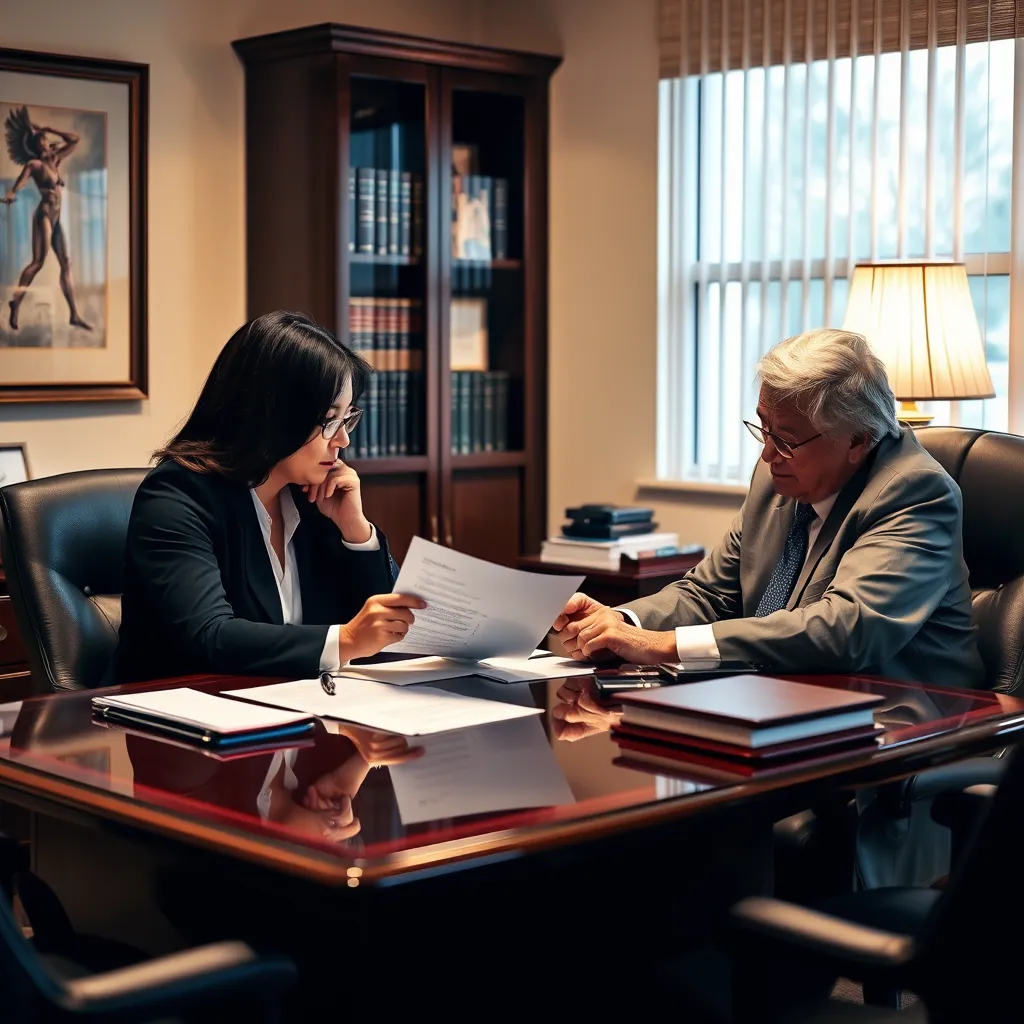
 Note: This article is confirmed by Law Offices Of SRIS, P.C.
WRITTEN BY: Mr. Sris
Since 1997, Mr. Sris has led the firm, focusing on the most challenging criminal and family law cases… His background in accounting and information management aids in financial and technology-related cases… Involved in significant legislative changes in Virginia.
Insight: My focus since founding the firm in 1997 has always been directed towards personally handling the most challenging and involved criminal and family law matters our clients face.
Insight: I find my background in accounting and information management provides a unique advantage when handling the intricate financial and technological aspects inherent in many modern legal cases.
Insight: As someone deeply involved in the community, I believe it’s important to not only practice law but also to actively participate in shaping it, which is why I dedicated effort towards amending Virginia Code § 20-107.3 and achieving state recognition for cultural milestones.
Loss of Consortium Lawyer Herndon VA
What is Loss of Consortium
Loss of consortium represents a legal claim for damages when a spouse or partner’s serious injury negatively affects the marital or partnership relationship. This legal concept recognizes that injuries don’t just impact the injured person but also damage the relational bonds between partners. The claim addresses tangible losses in companionship, affection, and intimacy that result from another party’s negligence or wrongful actions.
These cases involve documenting how injuries have changed relationship dynamics. This includes showing reductions in shared activities, emotional support, and physical intimacy. The legal process requires establishing a direct connection between the injury and the relationship damage. Evidence typically includes medical records, testimony about relationship changes, and documentation of how daily life has been altered.
The legal strategy focuses on quantifying relationship losses. This involves demonstrating specific ways the injury has affected partnership functions. Common examples include loss of shared household responsibilities, reduced emotional support, and changes in intimacy patterns. The legal team works to establish clear connections between the injury and these relationship changes.
Professional insight emphasizes the importance of thorough documentation. Legal professionals understand how to present relationship damages in court. They work to establish the value of companionship and partnership losses. This requires careful presentation of evidence showing the tangible effects on daily life and relationship quality.
How to Pursue Loss of Consortium Claims
The process for pursuing loss of consortium claims begins with comprehensive documentation. This involves gathering evidence showing how injuries have specifically affected the relationship. Medical records establish the injury’s severity and expected recovery timeline. Relationship documentation shows changes in daily interactions, shared activities, and emotional support patterns.
Legal action starts with establishing negligence. This requires showing that another party’s actions caused the injury. The connection between the injury and relationship damage must be clearly demonstrated. Evidence typically includes medical attorney testimony about injury effects and relationship attorney testimony about partnership changes.
Compensation calculations consider multiple factors. These include the duration of relationship impacts, the severity of changes, and the expected recovery timeline. The legal team works to quantify losses in companionship, affection, and intimacy. This involves presenting evidence of specific relationship functions that have been damaged or lost.
Legal professionals manage the claim process systematically. They coordinate medical evidence with relationship documentation. They establish clear timelines showing when relationship changes occurred relative to injuries. They also address potential challenges in proving relationship damages in legal settings.
Can I Claim Loss of Consortium
Eligibility for loss of consortium claims depends on several factors. The claimant must be legally recognized as a spouse or partner of the injured person. The injury must be serious enough to cause tangible relationship damage. The claim must demonstrate specific losses in companionship, affection, or intimacy resulting from the injury.
Legal requirements include establishing the injury’s severity. This involves medical documentation showing significant physical or psychological impacts. The claim must also show how these injuries have specifically affected relationship functions. This includes changes in daily interactions, emotional support, and physical intimacy.
Relationship documentation plays a key role. Evidence should show relationship quality before the injury and changes afterward. This can include testimony about shared activities, emotional support patterns, and intimacy changes. Documentation should be specific and measurable rather than general emotional distress claims.
Legal professionals assess claim viability based on evidence strength. They evaluate medical records, relationship documentation, and negligence evidence. They help determine whether relationship damages are substantial enough to support a claim. They also address jurisdictional requirements and legal standards for these claims.
Why Hire Legal Help for Loss of Consortium
Legal assistance provides essential support for loss of consortium claims. Professionals understand the specific evidence requirements for proving relationship damages. They know how to document companionship, affection, and intimacy losses in ways courts recognize. They manage the involved process of connecting injuries to relationship changes.
Evidence management is a key professional function. Legal teams coordinate medical documentation with relationship evidence. They establish clear timelines showing injury impacts on partnership dynamics. They work with attorneys to quantify relationship losses and present them effectively in legal proceedings.
Compensation strategy development requires professional insight. Legal professionals understand how courts value relationship damages. They develop strategies to demonstrate the full extent of partnership losses. They address challenges in quantifying emotional and relational impacts within legal frameworks.
Case management involves systematic approach to claim development. Professionals handle documentation, evidence presentation, and legal proceedings. They ensure all requirements for proving relationship damages are met. They also manage negotiations and court presentations to seek appropriate compensation.
FAQ:
What is loss of consortium?
Loss of consortium refers to legal claims for compensation when injuries damage marital or partnership relationships, addressing losses in companionship and intimacy.
Who can file these claims?
Spouses and legally recognized partners can file when serious injuries cause tangible relationship damage requiring specific documentation.
What evidence is needed?
Medical records, relationship documentation, and evidence showing injury impacts on daily interactions and partnership functions are essential.
How long do claims take?
Timelines vary based on injury severity, evidence challenge, and legal proceedings, typically involving months of documentation and review.
What compensation is available?
Compensation addresses relationship damages including loss of companionship, affection, intimacy, and shared household functions.
Can unmarried partners claim?
Eligibility depends on jurisdiction and relationship recognition, requiring legal assessment of partnership status and documentation.
What if injuries are temporary?
Temporary injuries may qualify if they cause substantial relationship damage during recovery, requiring documentation of specific impacts.
How are damages calculated?
Calculations consider injury severity, relationship impact duration, and specific losses in partnership functions and daily interactions.
What if the injured person recovers?
Recovery may affect compensation calculations based on relationship damage duration and residual impacts on partnership dynamics.
Are these claims separate from injury claims?
They are related but separate, addressing relationship damages rather than personal injury compensation for the injured individual.
What documentation helps most?
Specific records of relationship changes, medical evidence, and testimony about partnership function alterations provide strongest support.
When should I seek legal help?
Early consultation helps ensure proper evidence collection and documentation strategy development for relationship damage claims.
Past results do not predict future outcomes