
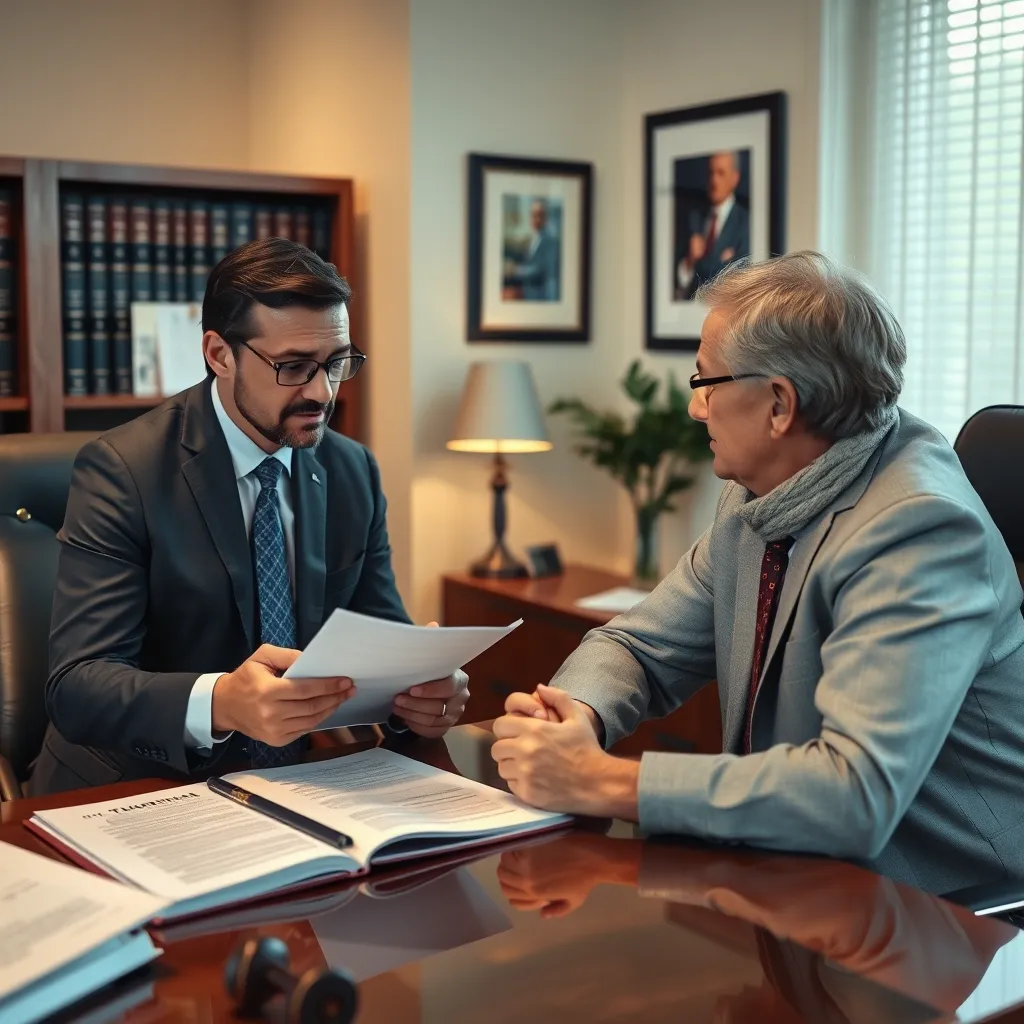
Loss of Consortium Lawyer Fairfax, VA
When a spouse suffers a serious injury in an accident, the impact reaches far beyond the physical harm. The partner who was not injured may lose companionship, affection, intimacy, and the everyday support the marriage once provided. Virginia law recognizes this harm through a claim called loss of consortium. In Fairfax County, these claims are subject to a strict contributory negligence rule and a two-year filing deadline, which can bar recovery entirely if even a small share of fault is attributed to the injured spouse. Mr. Sris, Owner and Founder of Law Offices Of SRIS, P.C., and his Of Counsel team assist spouses throughout the Fairfax area—from the City of Fairfax to Burke, Centreville, Reston, McLean, and beyond—in pursuing loss of consortium compensation after accidents caused by someone else’s negligence. Our Fairfax Location at 4008 Williamsburg Court is where we meet clients by appointment, but our phones are answered 24 hours a day. To discuss your situation, call (888) 437-7747. Law Offices Of SRIS, P.C. – Advocacy Without Borders.
What Loss of Consortium Means in Fairfax
A loss of consortium claim in Virginia is a civil action brought by the spouse of an injured person. It seeks damages for the loss of the injured spouse’s society, comfort, assistance, and conjugal relations. Under Virginia law, the claim is derivative: it depends on the injured spouse’s right to recover in the underlying personal injury case. If the injured spouse cannot prevail—for example, because their own fault contributed to the accident—the consortium claim also fails. The governing legal framework is Va. Code § 8.01-243 (statute of limitations) and Virginia’s pure contributory negligence rule, which is one of the strictest in the country. In Fairfax County, claims for amounts above the jurisdictional threshold are filed in the Fairfax County Circuit Court at 4110 Chain Bridge Road; smaller-value matters may be heard in the General District Court. The City of Fairfax shares the same judicial district and its own courthouse at 10455 Armstrong Street. Regardless of venue, the two-year deadline from the date of the accident applies, and missing it extinguishes the right to sue.
Virginia is one of only a handful of jurisdictions that still apply pure contributory negligence. If the injured spouse is found even one percent responsible for the underlying accident, the consortium claim—and all other personal injury claims—are entirely barred. Insurance adjusters know this and routinely argue that the injured party was partially at fault. In a loss of consortium case, the uninjured spouse must therefore be prepared to show that the defendant was fully liable. The evidence needed to prove loss of consortium includes testimony and documentation about the marriage before and after the injury, the specific ways the relationship has changed, and the ongoing impact on daily life. An experienced personal injury attorney who understands local Fairfax County court procedures can help families build that record and negotiate with insurers from a position of strength.
How Mr. Sris and His Of Counsel Handle Loss of Consortium Cases
Loss of consortium claims require careful attention to both the underlying injury and the unique marital harm. Mr. Sris and his Of Counsel team begin by investigating the accident fully—gathering police reports, medical records, witness statements, and, when appropriate, working with accident reconstruction attorneys to establish fault. They also spend time with the client who is bringing the consortium claim, documenting how the marriage has been affected. This may include describing changes in the couple’s daily routine, emotional support, intimacy, and the loss of shared activities. Because Virginia’s contributory negligence rule makes any fault on the injured spouse’s side fatal to the claim, the team evaluates every detail of the accident to counter arguments that the injured spouse was partially to blame.
Once the evidence is organized, a demand letter may be sent to the at-fault party’s insurer. If a fair settlement cannot be reached, the firm is prepared to file a Complaint in the appropriate Fairfax County court and take the case through discovery, depositions, and trial. Throughout the process, the client is kept informed about deadlines, the court’s procedural requirements, and the strategic decisions being made. The timeline for resolving a loss of consortium claim varies by case complexity and court scheduling, but Mr. Sris and his Of Counsel work toward a resolution that acknowledges both the economic and non-economic losses the family has endured. All personal injury matters are handled on a contingency basis—there is no attorney fee unless a recovery is obtained.
About Mr. Sris and His Of Counsel Team
Mr. Sris, Owner and Founder of Law Offices Of SRIS, P.C., has practiced law since 1997 and is a former prosecutor. His early career gave him direct insight into how opposing parties build cases, and today he applies that understanding to advocate for injury victims and their families. He is admitted to practice in Virginia, Maryland, the District of Columbia, New Jersey, and New York. Mr. Sris testified before the Virginia House Courts of Justice Committee in support of 2019 HB 635 (chief patron Del. David Bulova). His practice concentrates on personal injury matters, including loss of consortium claims arising from motor vehicle accidents, premises liability, and other negligence-based events.
Mr. Sris and his Of Counsel bring over 120 years of combined legal experience and 4,739+ documented firm-wide results. Results may vary. The Of Counsel colleagues include attorneys with backgrounds in prosecution, law enforcement, and complex litigation. On every loss of consortium case, the team works collaboratively to apply that collective experience to the specific facts of the family’s situation. Our Fairfax Location at 4008 Williamsburg Court, Fairfax, VA 22032, serves clients throughout Fairfax County and the City of Fairfax by appointment. Call (888) 437-7747 to schedule a consultation.
Frequently Asked Questions
What is a loss of consortium claim?
A loss of consortium claim allows the uninjured spouse of an accident victim to recover damages for the deprivation of companionship, affection, and marital relations. In Virginia, the claim is derivative of the injured spouse’s personal injury case. If the injured spouse’s claim is barred—for example, because of contributory negligence—the loss of consortium claim is also barred. The damages can include loss of society, comfort, assistance, and emotional support, as well as the inability to engage in shared marital activities. Each case is evaluated based on the specific relationship and the effect of the injury on the marriage.
Can I file a loss of consortium claim if my spouse was partly at fault in a Fairfax accident?
No—under Virginia’s pure contributory negligence rule, any fault on the part of the injured spouse completely bars all related claims, including loss of consortium. Even one percent of shared fault eliminates the right to recover. This is why insurance companies often assert that the injured spouse was at least partially to blame. An attorney can investigate the facts, gather evidence, and challenge such allegations to protect the uninjured spouse’s claim. If the underlying personal injury claim cannot survive contributory negligence scrutiny, the consortium claim disappears with it.
How long do I have to bring a loss of consortium claim in Fairfax County?
Virginia law requires loss of consortium claims to be filed within two years from the date of the accident that caused the injury. The deadline is set by Va. Code § 8.01-243 and applies strictly. If the two-year period passes without filing, the court will dismiss the case. The same two-year timeframe also governs the underlying personal injury claim. Prompt investigation and evidence preservation are critical because the deadline is measured from the incident date, not from when the spouse realizes the full extent of the marital loss.
What types of evidence are used to prove loss of consortium?
Testimony from the uninjured spouse about the changes in the marriage, medical records documenting the injury, and statements from family members or friends are common forms of evidence. Courts may consider the frequency of intimacy, shared leisure activities, the ability to parent together, and the emotional toll of caregiving. Photographs, text messages, and journal entries that show the couple’s relationship before and after the accident can be persuasive. An experienced attorney helps organize this information and present it in a way that supports a fair settlement or jury award.
What is the difference between a loss of consortium claim and a personal injury claim?
A personal injury claim belongs to the injured person and compensates for their own losses—medical bills, lost wages, pain and suffering—while a loss of consortium claim belongs to the uninjured spouse and compensates for the relational harm that flows from the injury. Both claims are typically adjudicated together in the same lawsuit. The consortium claim cannot exist independently; it rises and falls with the injured spouse’s claim. Compensation in a consortium case does not double-count the injured spouse’s damages but addresses separate, distinct losses suffered by the marriage partner.
Do I need a lawyer for a loss of consortium claim in Fairfax?
You are not legally required to hire a lawyer, but Virginia’s strict contributory negligence rule makes legal representation important for protecting your right to compensation. Insurers often deny consortium claims or assign a low value, especially if they can argue that the marriage was not significantly affected or that the injured spouse was at fault. An attorney experienced in Fairfax County courts can build the evidentiary record, handle negotiations, and, if necessary, take the case to trial. Because consortium claims are derivative, a misstep in the underlying personal injury case can sink both claims, making professional guidance advisable.
Related pages: Fairfax County personal injury lawyer · Falls Church personal injury attorney · Prince William County injury lawyer · Manassas personal injury lawyer · Manassas Park personal injury lawyer
Virginia legal resources: Virginia Code Title 8.01 – Civil Remedies · Va. Code § 8.01-243 (statute of limitations) · Fairfax County Circuit Court
Attorney advertising. Prior results do not guarantee a similar outcome.
Results may vary.
Case results depend on a variety of factors unique to each case.