
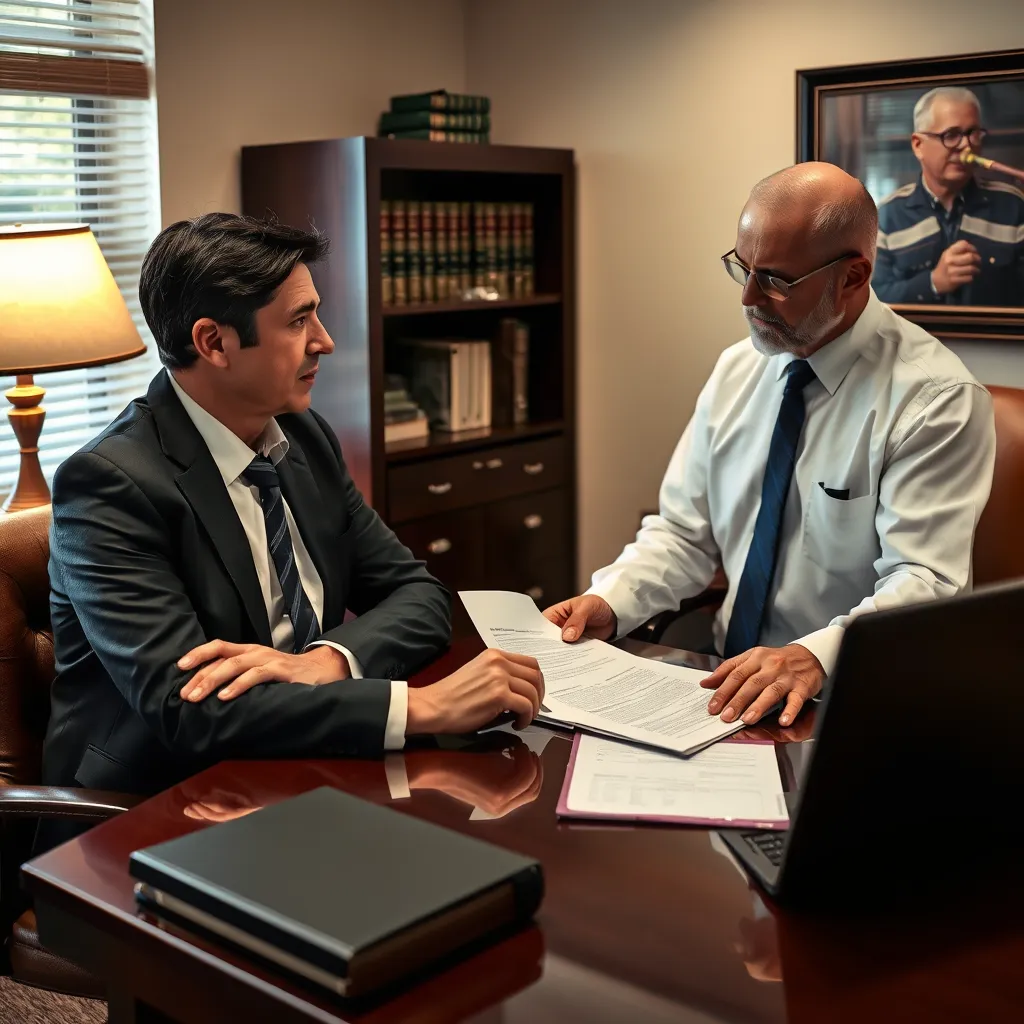
 Note: This article is confirmed by Law Offices Of SRIS, P.C.
WRITTEN BY: Mr. Sris
Since 1997, Mr. Sris has led the firm, focusing on the most challenging criminal and family law cases… His background in accounting and information management aids in financial and technology-related cases… Involved in significant legislative changes in Virginia.
Insight: My focus since founding the firm in 1997 has always been directed towards personally handling the most challenging and involved criminal and family law matters our clients face.
Insight: I find my background in accounting and information management provides a unique advantage when handling the intricate financial and technological aspects inherent in many modern legal cases.
Insight: As someone deeply involved in the community, I believe it’s important to not only practice law but also to actively participate in shaping it, which is why I dedicated effort towards amending Virginia Code § 20-107.3 and achieving state recognition for cultural milestones.
Leaving the Scene of an Accident lawyer Fairfax VA
What is Leaving the Scene of an Accident
Virginia’s laws regarding leaving the scene of an accident are specific and carry serious implications. When a driver is involved in any accident resulting in injury, death, or property damage, they have clear legal duties. These obligations include stopping at the scene or as close as safely possible, providing their name, address, driver’s license number, and vehicle registration information to other involved parties or law enforcement. If there are injuries, the driver must also render reasonable assistance, which may include calling for medical help or transporting injured persons if necessary.
The classification of these offenses depends on the circumstances. For accidents involving only property damage, leaving the scene is typically a Class 1 misdemeanor. However, when injuries occur, the charges escalate to Class 5 felonies. If the accident results in death, the offense becomes a Class 5 felony with mandatory minimum sentencing requirements. The severity increases further if the driver was under the influence at the time of the accident.
Virginia courts take these offenses seriously because they undermine public safety and accountability systems. The legal system aims to ensure that accident victims receive necessary assistance and that responsible parties are identified. When drivers leave scenes, they prevent proper investigation and potentially delay medical care for injured individuals. This creates additional risks and complications for all parties involved.
Defense approaches vary based on the specific facts of each case. Some situations involve misunderstandings about whether an accident actually occurred. Other cases may involve drivers who left temporarily to seek help or address emergencies but returned promptly. Knowledge and intent are often central issues in these cases, as prosecutors must prove the driver knew they were involved in an accident and intentionally failed to fulfill their legal duties.
Reality Check: Many people panic after accidents and make poor decisions. Leaving the scene almost always makes the situation worse legally.
How to Handle Hit and Run Charges
Facing hit and run charges requires a systematic approach to protect your rights and address the allegations effectively. The initial hours and days following notification of potential charges are particularly important. During this period, evidence preservation and proper documentation can significantly impact your case outcome. Begin by securing experienced legal representation familiar with Virginia’s traffic and criminal laws. An attorney can guide you through the process and prevent missteps that could harm your defense.
Documentation plays a vital role in these cases. Create detailed records of everything you remember about the incident, including time, location, weather conditions, and your actions. If you have any evidence such as dashcam footage, photographs, or witness contact information, preserve these materials carefully. Vehicle condition should be documented through photographs, particularly if there is any damage that could be relevant to the allegations. This evidence can help establish what actually occurred during the incident.
Communication management is another essential aspect. Avoid discussing the incident with anyone other than your attorney, including insurance representatives, other drivers, or law enforcement. Statements made without legal guidance can be used against you later. Your attorney can handle communications with investigators and help ensure your rights are protected during any questioning or investigation processes.
The legal process typically involves several stages, starting with initial investigation and potentially leading to formal charges. Your attorney can evaluate the strength of the evidence against you, identify potential defenses, and develop a strategy tailored to your specific situation. This may involve negotiating with prosecutors, challenging evidence, or preparing for trial if necessary. Each approach depends on the specific facts and circumstances of your case.
License suspension represents a significant concern in these matters. Virginia’s Department of Motor Vehicles may take administrative action separate from criminal proceedings. Your attorney can address both aspects simultaneously, working to preserve your driving privileges while defending against the criminal charges. This dual approach helps manage the complete range of consequences you may face.
Straight Talk: Delaying legal help gives prosecutors more time to build their case against you. Act quickly to level the playing field.
Can I Defend Against Accident Escape Allegations
Defending against accident escape allegations requires understanding Virginia’s specific legal requirements and how they apply to your situation. The prosecution must prove several elements beyond reasonable doubt, including that you were driving the vehicle involved, that an accident occurred, that you knew about the accident, and that you intentionally failed to fulfill your legal duties. Challenging any of these elements can form the basis of an effective defense.
Knowledge of the accident represents a common defense issue. In some situations, drivers may genuinely not realize they were involved in an accident, particularly in minor incidents or crowded conditions. If you can demonstrate that you lacked awareness of the collision, this can undermine the prosecution’s case. Evidence such as vehicle damage consistency, witness statements about your behavior, or environmental factors may support this defense approach.
Emergency circumstances provide another potential defense. Virginia law recognizes that immediate departure may be justified in genuine emergency situations. If you left to seek medical assistance, contact emergency services, or address another urgent matter, this may constitute a valid defense. Documentation of the emergency and prompt efforts to return to the scene or contact authorities can strengthen this position. The key is demonstrating that your actions were reasonable given the circumstances.
Mistaken identity cases occur when authorities incorrectly identify the vehicle or driver involved. This can happen with similar vehicles, incorrect license plate information, or witness misidentification. Challenging the identification evidence through alibi witnesses, vehicle location data, or physical evidence inconsistencies can create reasonable doubt about your involvement.
Procedural defenses may also apply. These include challenging the legality of evidence collection, questioning witness credibility, or identifying violations of your constitutional rights during the investigation. Your attorney can examine the entire investigative process for potential issues that could affect the admissibility of evidence or the validity of charges.
Negotiation and alternative resolutions represent additional options. In some cases, prosecutors may be willing to consider reduced charges or alternative dispositions, particularly for first-time offenses or cases with mitigating circumstances. Your attorney can explore these possibilities while preparing a strong defense should negotiations prove unsuccessful.
Blunt Truth: Not every defense works for every case. Your specific facts determine what strategies will be most effective.
Why Hire Legal Help for Hit and Run Cases
Securing legal representation for hit and run cases offers substantial benefits in addressing the multiple challenges these allegations present. Virginia’s legal framework for leaving the scene offenses involves both criminal and administrative components, each with distinct procedures and potential consequences. An attorney familiar with this area can help coordinate your response across both systems, ensuring comprehensive protection of your interests.
Understanding the specific elements prosecutors must prove represents a key advantage of legal representation. Your attorney can evaluate the strength of the evidence against you, identify weaknesses in the prosecution’s case, and develop strategies to challenge allegations effectively. This includes examining whether the prosecution can establish all required elements beyond reasonable doubt, particularly regarding knowledge of the accident and intentional failure to fulfill legal duties.
Consequence management extends beyond immediate criminal penalties. Hit and run convictions can affect insurance rates, employment opportunities, professional licenses, and future legal matters. An attorney can help minimize these collateral consequences through careful case handling and strategic decision-making. This includes exploring alternatives to conviction when appropriate and advocating for favorable sentencing outcomes when convictions occur.
Administrative proceedings with the Department of Motor Vehicles require separate attention. License suspension or revocation represents a significant concern in hit and run cases. Your attorney can represent you in DMV hearings, present evidence challenging administrative actions, and work to preserve your driving privileges. This parallel representation ensures both criminal and administrative aspects receive proper attention.
Negotiation skills prove valuable in many cases. Prosecutors may be willing to consider reduced charges, alternative dispositions, or favorable plea agreements under certain circumstances. An experienced attorney can assess when negotiation represents the best approach and advocate effectively for your interests during these discussions. This includes presenting mitigating factors, highlighting weaknesses in the prosecution’s case, and proposing reasonable resolutions.
Trial preparation becomes necessary when cases cannot be resolved through negotiation. Your attorney can develop compelling trial strategies, prepare witnesses, challenge evidence, and present your case effectively to judge or jury. This comprehensive approach ensures you have strong representation regardless of how your case proceeds through the legal system.
Reality Check: Trying to handle these charges alone often leads to worse outcomes. The legal system is designed for trained professionals to operate within it.
FAQ:
What constitutes leaving the scene in Virginia?
Virginia law requires stopping after accidents, exchanging information, and providing assistance if injuries occur. Failing these duties constitutes leaving the scene.
What penalties do hit and run charges carry?
Penalties range from misdemeanors for property damage to felonies for injuries or fatalities, plus license suspension and potential civil liability.
How long do I have to report an accident?
Virginia requires immediate stopping and reporting to law enforcement if the accident involves injury, death, or significant property damage.
Can I lose my license for hit and run?
Yes, Virginia DMV can suspend or revoke your license administratively, separate from criminal court penalties.
What if I didn’t know I hit something?
Lack of knowledge can be a defense if you can demonstrate genuine unawareness of the accident through evidence.
Should I talk to police without a lawyer?
Consult with an attorney before discussing the incident with law enforcement to protect your legal rights.
What evidence helps my defense?
Documentation, witness statements, photographs, vehicle condition records, and any relevant communications can support your case.
How quickly should I get legal help?
Immediate consultation allows for evidence preservation and early strategic planning for your defense.
Can charges be reduced or dismissed?
Depending on circumstances, prosecutors may consider reduced charges or alternative dispositions through negotiation.
What about insurance implications?
Hit and run convictions typically increase insurance rates significantly and may affect coverage availability.
How long do these cases take?
Case duration varies from months to over a year depending on challenge, evidence, and court schedules.
What if I returned to the scene later?
Returning promptly may help your case but doesn’t automatically eliminate potential charges for initial departure.
Past results do not predict future outcomes
Fairfax claims are handled by our Virginia hit and run accident practice, where the whole process is set out.