
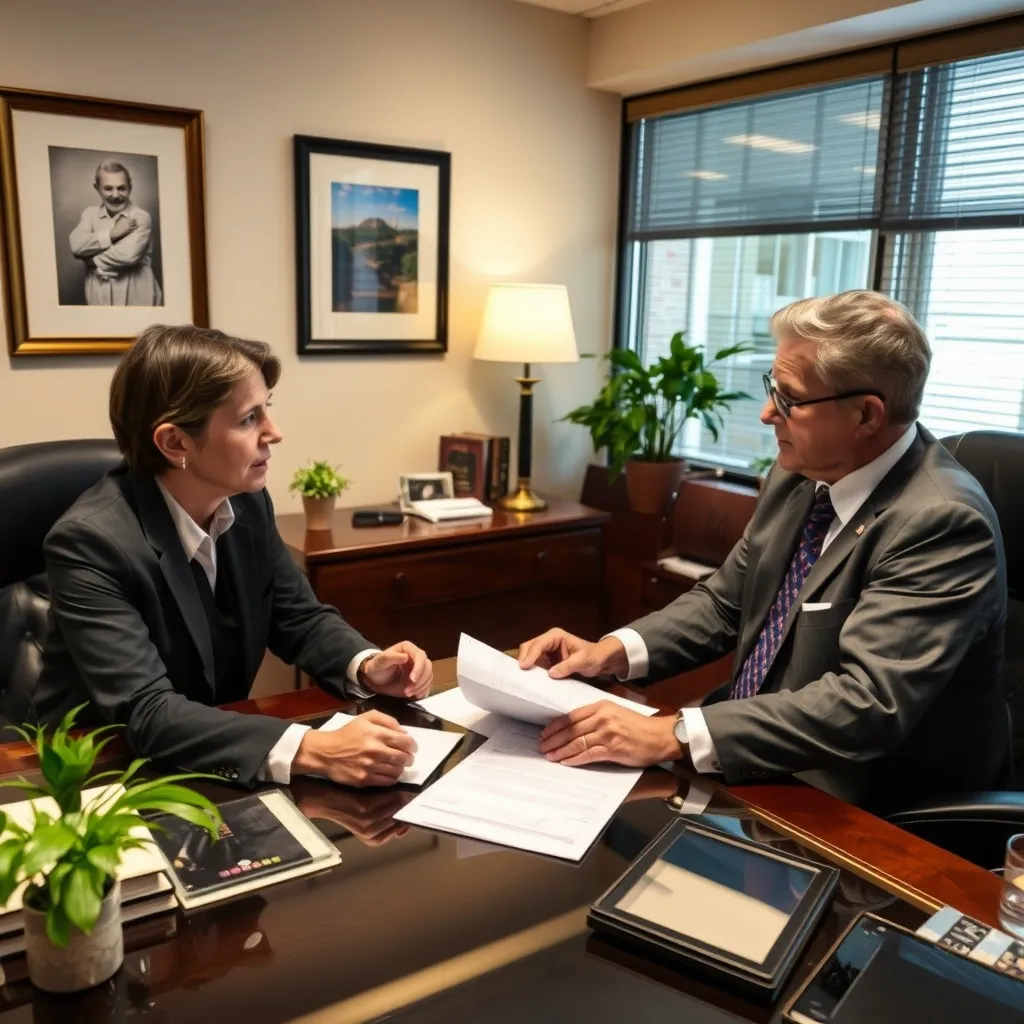
Traumatic Brain Injury Lawyer Falls Church, VA
A traumatic brain injury can alter every aspect of a person’s life, from the ability to work and care for family to the simplest daily routines. For individuals and families in Falls Church, Virginia, pursuing a personal injury claim after a head injury means navigating a legal system that applies one of the strictest negligence rules in the country. Virginia follows pure contributory negligence—if the injured person is found even one percent at fault, the right to recover compensation is barred entirely. That reality makes experienced legal guidance essential from the earliest stages of a case.
Law Offices Of SRIS, P.C. – Advocacy Without Borders.
Law Offices Of SRIS, P.C. Concentrates its practice on personal injury claims, including traumatic brain injury cases arising from motor vehicle crashes, falls, construction accidents, and other incidents in the Falls Church area. Mr. Sris, Owner and Founder of the firm, and his Of Counsel team bring over 120 years of combined legal experience to each matter. Results may vary. They know how to build a claim that withstands contributory‑negligence scrutiny—preserving evidence, identifying every potentially responsible party, and working to secure the resources needed for long‑term medical care and life‑care planning. For a consultation about your situation, reach us at (888) 437‑7747.
What a Traumatic Brain Injury Claim Means in Falls Church, Virginia
Falls Church, an independent city in Northern Virginia, is part of the Seventeenth Judicial District. Personal injury claims arising here are heard either in the Falls Church General District Court, at 300 Park Avenue, Suite 151W, or in the Falls Church Circuit Court, depending on the amount in controversy. Because the medical and economic damages in a traumatic brain injury case often far exceed the General District Court’s civil jurisdiction, most TBI claims proceed in the Circuit Court, where the procedural rules are more formal and the stakes are higher.
Virginia’s contributory negligence doctrine, codified and applied by the courts, makes TBI claims uniquely demanding. Insurers and defense counsel will look for any argument that the injured person contributed to the accident—speeding slightly, failing to wear a helmet, or not paying full attention—to deny an entire claim. In a brain injury case, where the injured person may have memory gaps or cognitive difficulties after the incident, a defense that suggests the person was also at fault can be devastating if not countered with a thorough investigation and strong evidence. Working with a lawyer who understands how contributory‑negligence defenses are raised in Falls Church courts can help protect the claim from the outset.
How Mr. Sris and His Of Counsel Handle Traumatic Brain Injury Cases
A brain injury case demands more than just an understanding of medicine; it requires a legal team that can coordinate medical experts, life‑care planners, vocational attorney, and accident‑reconstruction professionals. Mr. Sris and his Of Counsel take a structured, evidence‑driven approach. They begin by working to document the full scope of the injury: the immediate and long‑term medical needs, the cognitive and emotional effects, and the financial losses that often extend over a lifetime. They also anticipate the contributory‑negligence arguments the defense is likely to make and work to build a factual record that preserves the injured person’s position.
Once the claim is ready, Mr. Sris and his Of Counsel present it with detailed medical evidence and expert testimony before the court or in pre‑suit negotiations. While many Virginia personal injury cases resolve through settlement, the team prepares every TBI case as though it will go to trial. This preparation includes taking depositions, challenging defense medical examinations, and presenting the real‑world impact of the injury on the client and the family. The goal is not simply a settlement, but a recovery that addresses the full future cost of living with a traumatic brain injury. Results may vary.
About Mr. Sris and His Of Counsel Team
Mr. Sris, Owner and Founder of Law Offices Of SRIS, P.C., is a former prosecutor who has practiced across five jurisdictions—Virginia, Maryland, the District of Columbia, New Jersey, and New York—since 1997. His courtroom experience gives him insight into both sides of a civil claim, and he understands how insurers and defense counsel evaluate cases. In traumatic brain injury matters, his background allows him to anticipate the arguments that will be raised and to prepare responses that are grounded in evidence.
Mr. Sris is supported by Of Counsel attorneys who include a former Maryland prosecutor and a former Virginia State Trooper. Their combined experience covers every angle needed in a serious injury case: the medical‑legal framework, the investigation of accident facts, and the ability to cross‑examine expert witnesses. Mr. Sris and his Of Counsel bring over 120 years of combined legal experience to the firm’s personal injury practice, and they have documented 4,739+ case results across all practice areas since the firm was founded. Results may vary.
Frequently Asked Questions
What is the statute of limitations for a traumatic brain injury claim in Falls Church, Virginia?
In Virginia, a personal injury claim, including one for traumatic brain injury, must be filed within two years from the date of injury under Va. Code § 8.01‑243. This is a strict deadline. If the claim is not filed within two years, the court will almost certainly dismiss it, and the right to compensation is permanently lost. The two‑year clock generally starts on the date of the accident causing the injury. Because building a strong TBI case takes time—collecting medical records, consulting attorneys, and calculating future care costs—contacting an attorney early helps ensure the statutory period does not expire before the claim is ready to present.
How does Virginia’s contributory negligence rule affect a traumatic brain injury case?
Virginia’s contributory negligence rule bars recovery entirely if the injured person is found even one percent at fault for the accident that caused the traumatic brain injury. Unlike states that allow proportional recovery, Virginia is one of only four states, plus the District of Columbia, that follow this pure form of contributory negligence. In a TBI case, the defense will look for any action by the injured person—failing to yield, driving slightly over the speed limit, or not paying full attention—to argue that the person shared fault. That makes thorough investigation and evidence preservation critical from the very beginning, so that every possible defense argument can be addressed with facts.
What damages can I recover in a Falls Church traumatic brain injury case?
A person who proves the other party’s fault in a Virginia traumatic brain injury case can seek economic and non‑economic damages, including medical expenses, lost wages, loss of earning capacity, pain and suffering, and loss of enjoyment of life. Because brain injuries often require lifelong care, the damages calculation must include future medical treatment, rehabilitation, home modifications, and the cost of ongoing personal assistance. While Virginia does not cap compensatory damages in most personal injury cases, there is a statutory cap on punitive damages (if applicable). Each case depends on its specific facts, and the amount recoverable will vary.
Do I need a lawyer for a traumatic brain injury claim in Falls Church?
Given Virginia’s contributory negligence rule and the complexity of proving the full extent of a brain injury, retaining experienced legal counsel is strongly recommended. Insurers often try to settle TBI claims quickly and for far less than the actual long‑term costs. A lawyer who understands how brain injuries are evaluated medically and legally can work to build a complete picture of the injury and its impact, challenge opposing medical opinions, and negotiate from a position of strength. Most personal injury attorneys, including Law Offices Of SRIS, P.C., handle TBI cases on a contingency‑fee basis—meaning no fee is owed unless a recovery is obtained.
How long does a brain injury case take in Falls Church, Virginia?
The timeline for a traumatic brain injury case in Falls Church varies based on the complexity of the medical issues, the number of parties involved, and the court’s schedule. While some cases may resolve through pre‑suit negotiation within several months, others require litigation, discovery, experienced attorney depositions, and trial, which can extend the process to a year or more. The most important step is to begin promptly—preserving evidence, obtaining medical records, and meeting the two‑year filing deadline are all time‑sensitive. The actual resolution of a case depends heavily on the specific facts and the willingness of the parties to settle.
What should I do after a head injury in Falls Church?
After any head injury in Falls Church, seeking immediate medical attention is the first priority, even if symptoms seem mild at first. A thorough medical evaluation can document the injury, rule out delayed complications, and create a record important for any later legal claim. If the injury is the result of an accident, preserving evidence—photographs of the scene, contact information for witnesses, and medical records—is also critical. Then, contact a personal injury attorney who practices in Falls Church courts to discuss your options before speaking with insurance adjusters or signing any release.
Related personal injury resources:
Fairfax County personal injury lawyer ·
Fairfax City personal injury attorney ·
Prince William County injury lawyer ·
Manassas personal injury attorney
Official primary sources:
Virginia Code Title 8.01—Civil Remedies and Procedure ·
Falls Church General District Court ·
Virginia Judicial System
Attorney advertising. Prior results do not guarantee a similar outcome. Results may vary. Engaging Law Offices Of SRIS, P.C. Requires a signed engagement agreement.
Case results depend on a variety of factors unique to each case.