
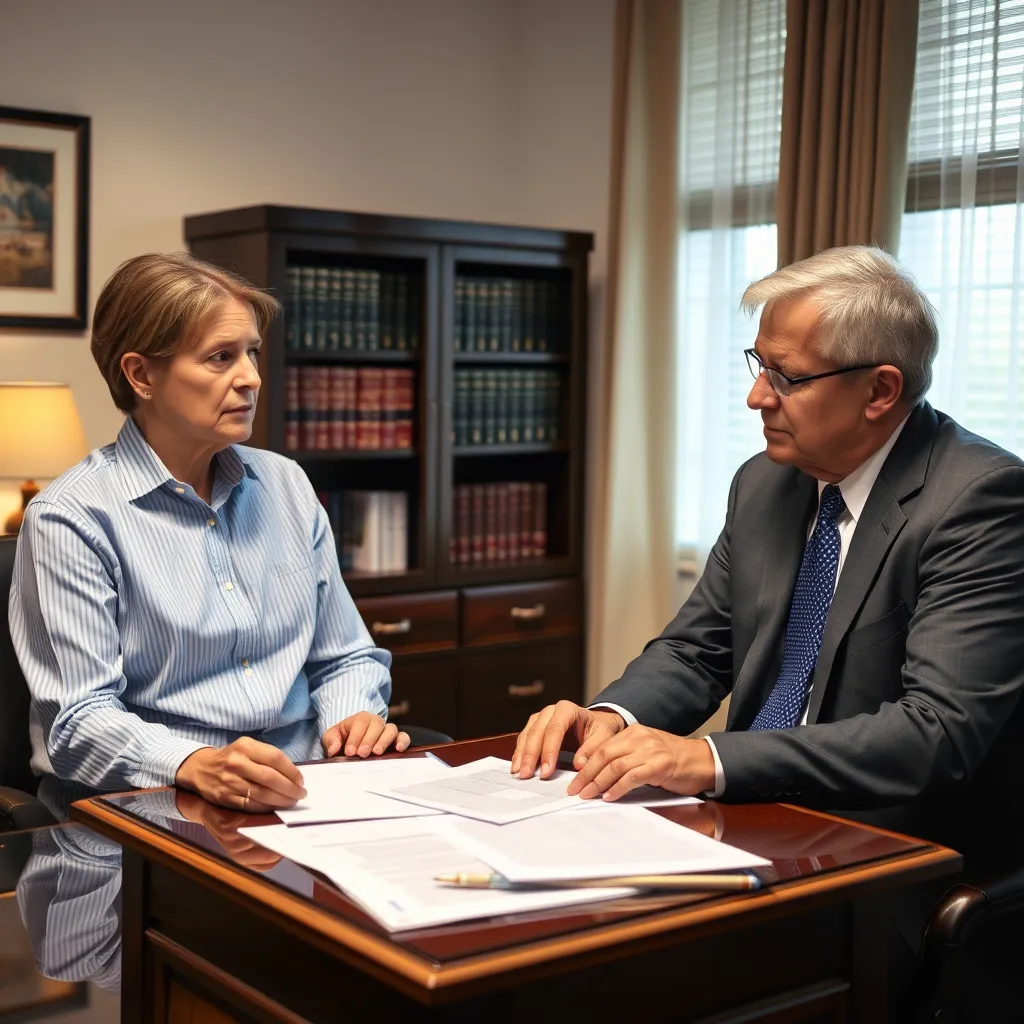
 Note: This article is confirmed by Law Offices Of SRIS, P.C.
WRITTEN BY: Mr. Sris
Since 1997, Mr. Sris has led the firm, focusing on the most challenging criminal and family law cases… His background in accounting and information management aids in financial and technology-related cases… Involved in significant legislative changes in Virginia.
Insight: My focus since founding the firm in 1997 has always been directed towards personally handling the most challenging and involved criminal and family law matters our clients face.
Insight: I find my background in accounting and information management provides a unique advantage when handling the intricate financial and technological aspects inherent in many modern legal cases.
Insight: As someone deeply involved in the community, I believe it’s important to not only practice law but also to actively participate in shaping it, which is why I dedicated effort towards amending Virginia Code § 20-107.3 and achieving state recognition for cultural milestones.
Medication Errors in Nursing Homes lawyer Leesburg VA
What is Medication Errors in Nursing Homes
Medication errors represent a significant concern in nursing home settings. These mistakes can happen at various stages of medication management. Prescribing errors occur when doctors order incorrect medications or dosages. Dispensing errors involve pharmacy mistakes in preparing medications. Administration errors happen when nursing staff give wrong medications or doses to residents.
Common types of medication errors include giving the wrong drug entirely. This might involve confusing similar-sounding medications or misreading prescriptions. Dosage errors involve giving too much or too little medication. Timing errors occur when medications are given at incorrect intervals. Administration route errors involve giving medications through wrong methods.
Documentation errors represent another category of medication mistakes. These include failing to record medications given or recording incorrect information. Monitoring errors involve not properly tracking resident responses to medications. Storage errors occur when medications are kept improperly, affecting their effectiveness.
Prevention strategies focus on systematic approaches to medication management. Facilities should implement double-check systems for medication administration. Electronic medication administration records help reduce documentation errors. Regular staff training on medication protocols is essential. Proper labeling and storage procedures minimize dispensing mistakes.
Blunt Truth: Medication errors happen more often than facilities admit. Residents may suffer silently from incorrect medications.
How to Address Medication Mistakes
When medication errors occur, immediate action is necessary. First, ensure the resident receives appropriate medical attention. Contact the nursing home’s medical staff to address any immediate health concerns. Document the resident’s symptoms and any observable effects of the medication error.
Gather evidence systematically. Request copies of medication administration records. Document conversations with nursing staff about the incident. Take photographs of medication bottles and labels if possible. Keep a detailed journal of events, including dates, times, and people involved.
Report the incident through proper channels. Notify the nursing home administrator in writing. File a complaint with the Virginia Department of Health. Contact the Virginia Department of Social Services if appropriate. Consider reporting to the facility’s corporate office if it’s part of a larger organization.
Medical documentation plays a vital role. Request a complete medical evaluation of the resident. Obtain copies of all medical records related to the incident. Document any changes in the resident’s condition following the error. Keep records of additional medical treatments required due to the mistake.
Legal considerations come into play after immediate concerns are addressed. Consult with legal professionals about potential claims. Understand the statute of limitations for filing claims in Virginia. Consider the resident’s rights under nursing home regulations. Evaluate the facility’s response to the incident.
Reality Check: Facilities often minimize errors. Your documentation creates the official record they cannot ignore.
Can I Pursue Legal Action for Medication Errors
Legal action for medication errors depends on several factors. The error must have caused actual harm to the resident. Mere mistakes without consequences may not support legal claims. The facility must have breached its duty of care to the resident. This breach must directly cause the resident’s injuries.
Negligence claims form the basis of most medication error cases. These require proving the facility failed to meet accepted standards of care. Evidence must show how the error occurred and who was responsible. Documentation of the resident’s condition before and after the error is essential.
Medical malpractice claims may apply in certain situations. These involve professional negligence by healthcare providers. Doctors, nurses, or pharmacists could be responsible for errors. These claims require showing deviation from professional standards.
Statutory violations represent another potential basis for claims. Nursing homes must comply with Virginia regulations and federal standards. Violations of these regulations can support legal action. Documentation of regulatory breaches strengthens these claims.
Damages in medication error cases can include various elements. Medical expenses for treating error-related conditions are recoverable. Pain and suffering damages compensate for physical and emotional distress. In severe cases, wrongful death claims may be appropriate. Punitive damages might apply in cases of gross negligence.
Straight Talk: Legal action requires clear evidence of harm. Without documented injury, claims face significant challenges.
Why Hire Legal Help for Medication Issues
Legal professionals bring specific knowledge to medication error cases. They understand medical terminology and medication protocols. This knowledge helps interpret involved medical records accurately. Legal teams can identify patterns of negligence in facility practices.
Investigation capabilities represent a significant advantage of legal help. Professionals can obtain facility records through legal processes. They can interview staff and review medication administration systems. Legal teams can consult medical attorneys to evaluate harm causation.
Regulatory knowledge helps handle involved nursing home standards. Legal professionals understand Virginia and federal regulations. They can identify violations of required care standards. This knowledge supports claims of facility negligence.
Negotiation skills benefit families seeking resolution. Legal representatives can communicate effectively with facility administrators. They can negotiate with insurance companies on behalf of families. Professional representation often leads to better outcomes than individual efforts.
Court representation becomes necessary when cases proceed to litigation. Legal professionals prepare and file necessary court documents. They represent families in settlement discussions and court proceedings. This representation ensures proper presentation of evidence and arguments.
Peace of mind represents an important benefit of legal help. Families can focus on their loved one’s care while professionals handle legal matters. Regular updates keep families informed about case progress. Legal guidance reduces stress during difficult situations.
Blunt Truth: Facilities have legal teams protecting their interests. You need equivalent representation to level the playing field.
FAQ:
What are common medication errors in nursing homes?
Common errors include wrong medications, incorrect dosages, and improper timing. Administration mistakes and documentation errors also occur frequently.
How do I document a medication error?
Record details immediately including date, time, and medication involved. Take photos of medication labels and document conversations with staff.
Who should I report medication errors to?
Report to nursing home administrators and Virginia Department of Health. Consider reporting to corporate offices and state regulatory agencies.
What evidence is needed for legal action?
Medical records, medication administration records, and witness statements. Documentation of resident condition changes supports legal claims.
How long do I have to file a claim?
Virginia has specific time limits for filing claims. Consult legal professionals promptly to understand applicable deadlines.
What damages can be recovered?
Medical expenses, pain and suffering, and additional care costs. In severe cases, other damages may be appropriate.
Can family members file claims?
Family members can often file claims on behalf of residents. Legal standing depends on specific circumstances and relationships.
What if the resident has dementia?
Residents with dementia have equal rights to proper care. Their conditions require careful medication management and monitoring.
How do legal fees work?
Many attorneys work on contingency fee arrangements. This means fees are paid from recovery if the case succeeds.
What if the facility denies responsibility?
Facilities often deny initial responsibility for errors. Proper evidence and legal representation help establish liability.
Can I change nursing homes after an error?
Residents have the right to transfer to different facilities. Proper procedures must be followed for safe transitions.
What preventive measures should facilities have?
Facilities should implement double-check systems and staff training. Electronic records and proper storage procedures prevent errors.
Past results do not predict future outcomes
For the full picture beyond Leesburg, our page on nursing home neglect cases in Loudoun County covers the process end to end.