
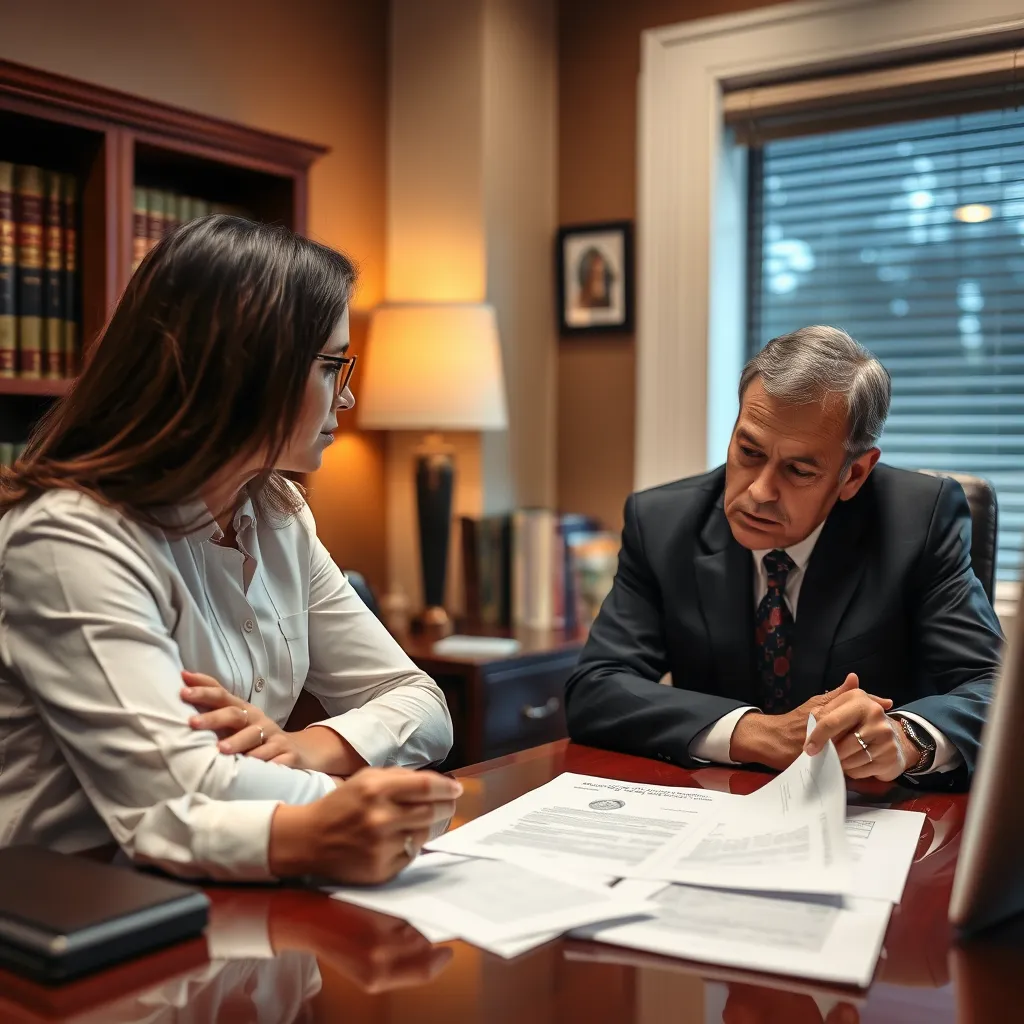
 Note: This article is confirmed by Law Offices Of SRIS, P.C.
WRITTEN BY: Mr. Sris
Since 1997, Mr. Sris has led the firm, focusing on the most challenging criminal and family law cases… His background in accounting and information management aids in financial and technology-related cases… Involved in significant legislative changes in Virginia.
Insight: My focus since founding the firm in 1997 has always been directed towards personally handling the most challenging and involved criminal and family law matters our clients face.
Insight: I find my background in accounting and information management provides a unique advantage when handling the intricate financial and technological aspects inherent in many modern legal cases.
Insight: As someone deeply involved in the community, I believe it’s important to not only practice law but also to actively participate in shaping it, which is why I dedicated effort towards amending Virginia Code § 20-107.3 and achieving state recognition for cultural milestones.
Dog Bites & Animal Attacks lawyer Leesburg VA
What is a Dog Bites & Animal Attacks lawyer Leesburg VA
Animal attack lawyers focus on cases involving injuries caused by dogs and other animals. In Virginia, specific statutes govern animal owner liability. These laws determine when owners are responsible for injuries their animals cause. Understanding these legal standards is vital for anyone injured in an animal attack.
When an animal attacks, the injured person may face medical treatment, recovery time, and emotional distress. A qualified attorney evaluates the circumstances to determine legal options. They examine factors like the animal’s history, location of the incident, and owner knowledge of aggressive tendencies. This assessment helps build a case for compensation.
Legal strategies in animal attack cases involve gathering evidence, documenting injuries, and identifying responsible parties. Medical records, witness statements, and animal control reports provide important documentation. Photographs of injuries and the incident location can support the claim. These elements help establish the facts of the case.
Professional insight into animal attack law considers Virginia’s legal framework. The state follows specific rules about owner responsibility. An attorney’s knowledge of these laws guides case development. They work to protect clients’ rights throughout the legal process.
How to handle an animal attack situation
When an animal attacks, taking immediate steps protects your health and legal rights. First, seek medical attention for any injuries, even if they seem minor. Some animal bite injuries can develop infections or complications. Medical records create documentation of your injuries and treatment.
Report the incident to local animal control authorities. This creates an official record of the attack. Animal control may investigate the animal’s history and owner responsibility. This report can serve as evidence in your case. Provide accurate details about the incident location, animal description, and owner information.
Document everything related to the attack. Take photographs of your injuries from multiple angles. Capture images of the incident location if possible. Write down details while they’re fresh in your memory. Include dates, times, weather conditions, and what happened before, during, and after the attack.
Gather contact information from any witnesses. Witness statements can support your account of the incident. Ask witnesses to provide written statements or agree to be contacted later. Their observations can help establish what occurred during the attack.
Contact an attorney experienced in animal attack cases. They can advise you on preserving evidence and dealing with insurance companies. An attorney handles communications with the animal owner’s insurance provider. They work to protect your interests throughout the claims process.
Can I seek compensation after a dog attack
Virginia law provides avenues for seeking compensation after animal attacks. The state’s statutes address owner responsibility for animal behavior. When an animal causes injury, the owner may be liable for resulting damages. The legal standards consider factors like the animal’s history and owner knowledge.
Compensation in animal attack cases typically includes medical expenses. This covers emergency care, hospital stays, surgeries, medications, and rehabilitation. Future medical costs related to the injury may also be included. Documentation from healthcare providers supports these claims.
Lost income represents another category of potential compensation. If injuries prevent you from working, you may claim lost wages. This includes both current lost income and future earning capacity if injuries cause long-term limitations. Employment records and medical opinions help establish these losses.
Pain and suffering compensation addresses the physical and emotional impact of the attack. Animal attacks can cause lasting psychological effects. This category considers the severity of injuries and their effect on daily life. Documentation from mental health professionals may support these claims.
The claims process involves gathering evidence, calculating damages, and negotiating with insurance companies. An attorney handles these steps while keeping you informed. They work to achieve fair compensation based on the specifics of your case.
Why hire legal help for animal attack cases
Legal representation in animal attack cases offers several benefits. Attorneys bring knowledge of Virginia’s specific animal liability statutes. They understand how courts interpret these laws and what evidence strengthens a case. This legal knowledge guides case strategy and preparation.
Animal attack cases often involve insurance companies with experienced adjusters. These professionals work to minimize payouts. An attorney levels the playing field by handling communications and negotiations. They protect clients from making statements that could weaken their claims.
Evidence collection requires systematic approach. Attorneys know what documentation supports different types of damages. They obtain medical records, employment documents, and attorney opinions when needed. This thorough preparation strengthens compensation claims.
Legal procedures involve specific deadlines and filing requirements. Missing deadlines can jeopardize a claim. Attorneys manage these administrative aspects while clients focus on recovery. They ensure all necessary documents are filed correctly and on time.
Case valuation considers multiple factors beyond obvious medical bills. Attorneys calculate current and future losses, including long-term medical needs and reduced earning capacity. They also assess non-economic damages like pain and emotional distress. This comprehensive approach seeks full compensation.
Professional insight helps clients understand realistic expectations. Attorneys explain potential outcomes based on case specifics and Virginia law. They provide guidance on settlement offers versus trial options. This information supports informed decision-making.
FAQ:
1. What should I do immediately after a dog bite?
Seek medical attention, report to animal control, document injuries, and gather witness information.
2. How long do I have to file a dog bite claim in Virginia?
Virginia has specific time limits for personal injury claims; consult an attorney promptly.
3. What compensation can I seek for dog bite injuries?
Medical expenses, lost wages, pain, and other damages related to the attack.
4. Who is responsible for a dog attack in Virginia?
Animal owners may be liable depending on circumstances and Virginia law.
5. What if the dog owner has no insurance?
Legal options may include pursuing the owner’s personal assets; an attorney can advise.
6. How much does a dog bite lawyer cost?
Many work on contingency, meaning fees come from recovered compensation.
7. What evidence helps a dog bite case?
Medical records, photos, witness statements, and animal control reports.
8. Can I sue if the dog bite happened on someone’s property?
Property status affects liability; an attorney evaluates case specifics.
9. What if the dog has no history of aggression?
Virginia law considers various factors; lack of history doesn’t automatically prevent claims.
10. How long do dog bite cases typically take?
Duration varies based on case challenge, negotiations, and whether litigation occurs.
11. What if I was partially at fault for the attack?
Virginia’s comparative negligence rules may affect compensation; consult an attorney.
12. Can children receive compensation for dog bites?
Yes, children can pursue claims through parents or guardians.
Past results do not predict future outcomes
For the full picture beyond Leesburg, our page on dog bitesanimal attacks cases in Virginia covers the process end to end.